Treat • Preserve • Transform

Preserving the planet

Chemistry is at the heart of environmental issues
Doing More with Less

Detergents that work effectively at low temperatures, low-emission paints, and industrial processes that generate less waste. Manufacturing with less energy, water, and pollutants—without sacrificing performance.

Reinventing Our Materials, Closing the Loop

Materials designed to last, be repaired, and—above all—be recycled; transforming waste and CO₂ into new resources to transition to a circular economy.

Accelerating the energy transition

Materials that improve batteries, solar panels, and insulation—for more efficient and accessible low-carbon energy.

Making the invisible visible, protecting the environment

Sensors and pollution control technologies to monitor, filter, and restore air, water, and soil—and to preserve both biodiversity and health.

Notable discoveries made in Strasbourg

More Sustainable Chemistry

Amir Hoveyda Co-founder of the startup XiMo (with Richard Schrock)

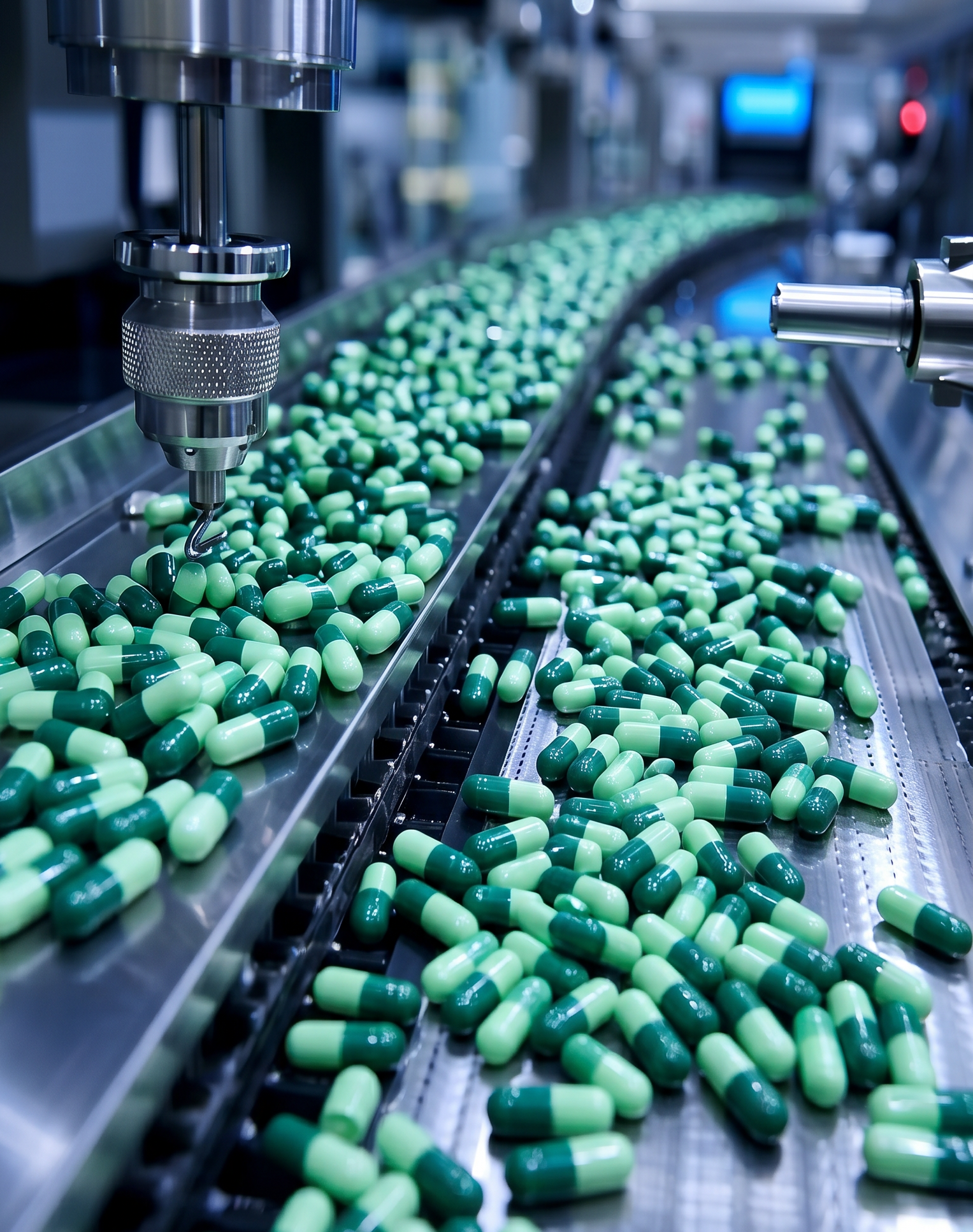
In Amir Hoveyda’s laboratory, one ambition guides the research: to simplify the synthesis of the molecules that will become our medicines. His work has notably led to the development of a key method in modern chemistry, whose effectiveness has been demonstrated from the laboratory to the industrial scale. By reducing the number of synthesis steps, this approach decreases solvent use and waste production. It is now widely used in the pharmaceutical industry to manufacture drugs that are already being administered to thousands of patients.
Fewer persistent pollutants
Frédéric Leroux Deputy Scientific Director at the CNRS Chemistry Institute, a joint research laboratory with Bayer, from 2014 to 2024

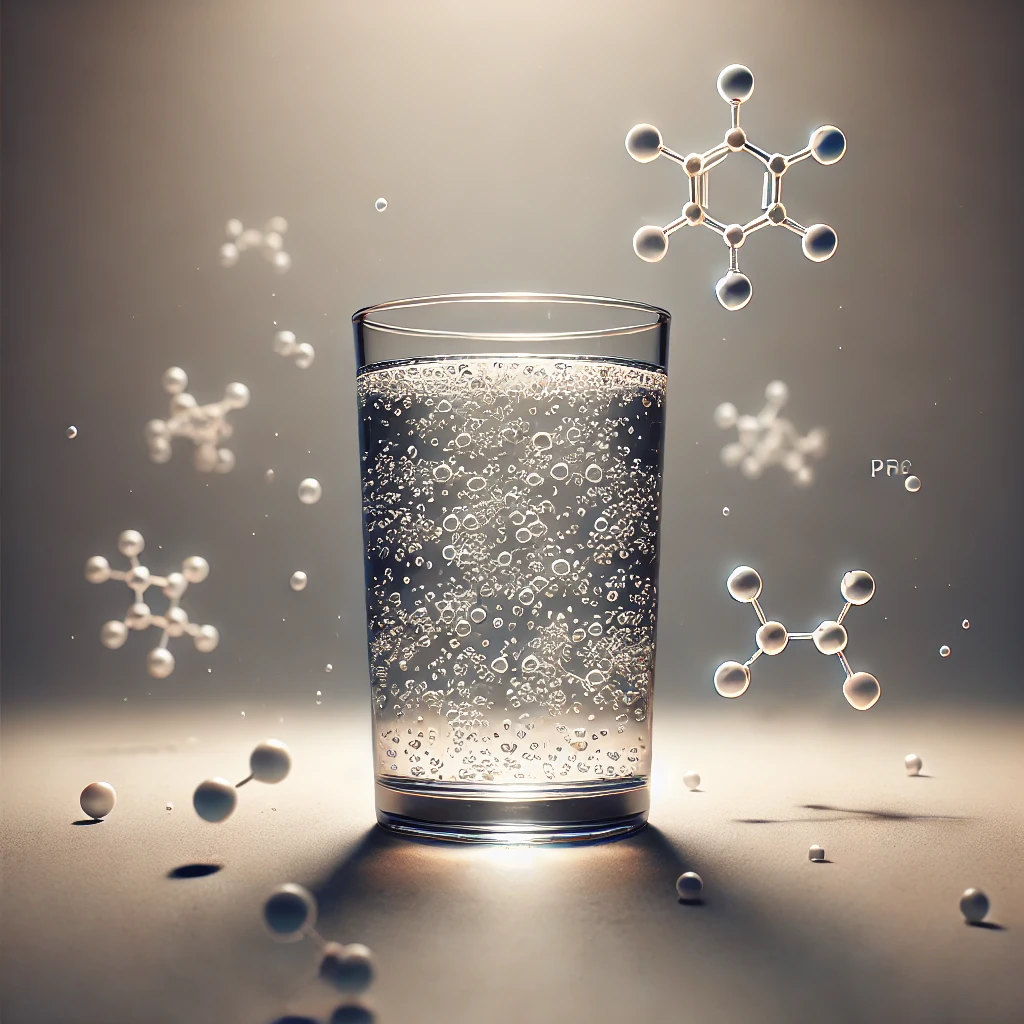
In Strasbourg, researchers are developing alternatives to “forever chemicals”—substances that have been widely used since the 1990s and are found in certain medications and pesticides. These pollutants accumulate in the environment and the human body, posing a major health risk.  Frédéric Leroux’s team is exploring new fluorinated molecules capable of replacing PFAS while retaining the properties essential for patient health.

Sustainable Bio-based Materials

Luc Averous Mutaxio: a laboratory dedicated to developing new materials derived from biomass, in collaboration with the company Soprema

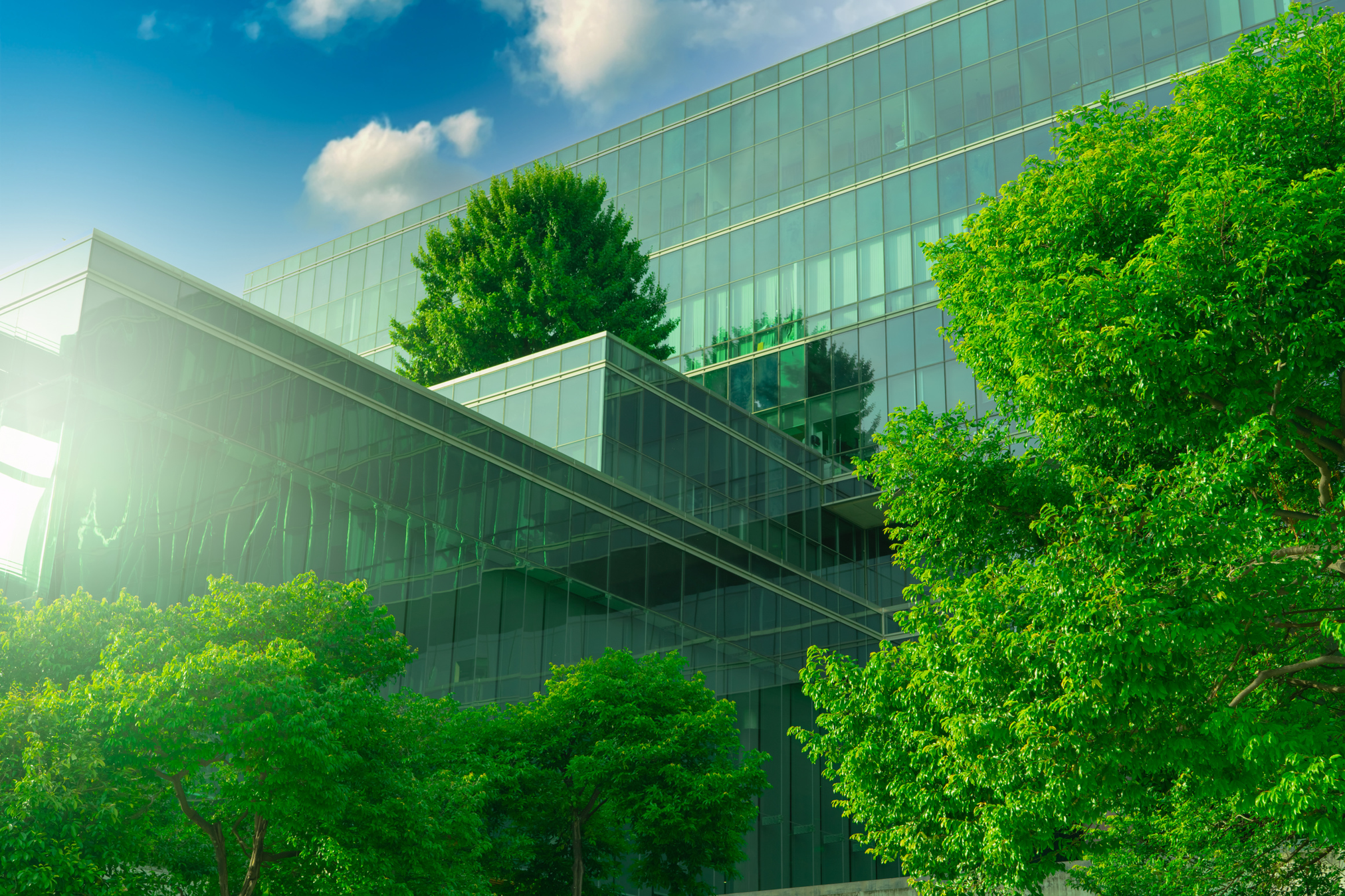
Luc Averous is exploring the potential of biomass to develop the materials of tomorrow. His research on sorbitol, a molecule derived from sugar beets, has led to the development of bio-based foams for thermal insulation in buildings. Conducted in collaboration with Soprema, this long-term project has resulted in industrial-scale production, with the materials being used on several construction sites. Although these foams are no longer on the market today, they marked an important step toward a more sustainable construction industry.

Donation DONATIONS MAKE A DONATION