Treat • Preserve • Transform

Treating diseases

The Role of Chemistry in Our Daily Lives

Designing drugs:

Aspirin, ibuprofen, and metformin: these medications, widely used to treat pain, inflammation, and type 2 diabetes, are based on small molecules resulting from discoveries in chemistry.

Enabling new therapies:

mRNA vaccines, gene therapies, targeted treatments: Chemistry creates invisible “vehicles” that deliver the treatment and then release it in the right place at the right time.

Detect diseases earlier, monitor them more accurately:

MRI: Making Medical Images Easier to Read
In the Operating Room: Helping Surgeons Perform Procedures with Precision Using Dyes That Make Certain Areas More Visible.

Heal and restore the body:

Absorbable surgical sutures, “gel” dressings that aid in healing, and implants treated so that the body accepts them and the bone bonds to them permanently.

The discoveries in Strasbourg that paved the way

Treating Lupus

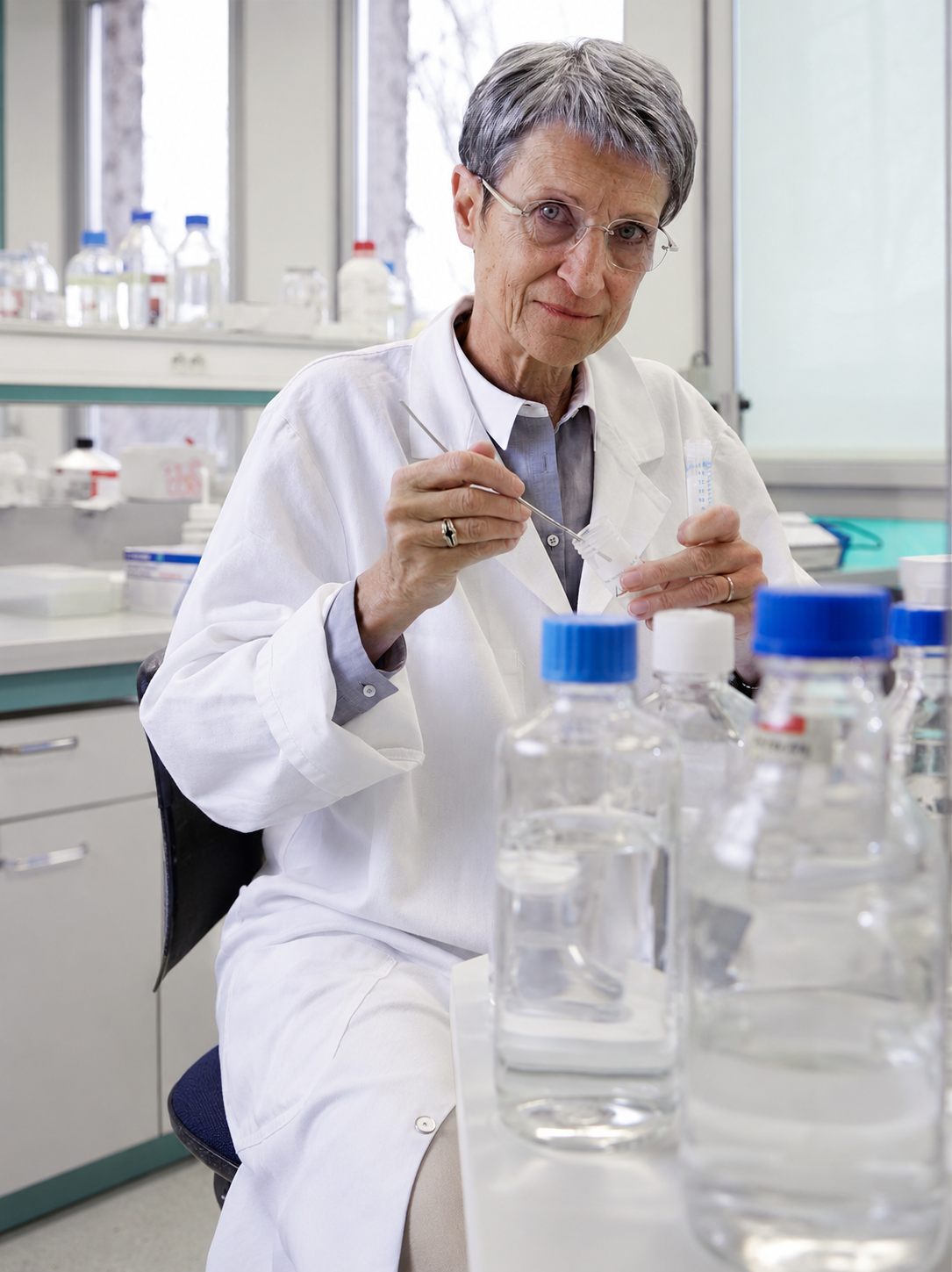
Sylviane Muller, Winner of the CNRS Innovation Medal Co-founder of Immupharma (listed on the London and Brussels stock exchanges)

In Strasbourg, an idea that originated in the lab has progressed through every stage to the clinical trial phase: a peptide discovered by Sylviane Muller has advanced to Phase III trials for the treatment of lupus (which affects more than 5 million people). And because science sometimes holds wonderful surprises, P140 has proven useful beyond lupus, with encouraging results in models of other inflammatory diseases (Sjögren’s syndrome, IBD, gout, asthma, periodontitis, etc.). This offers hope for other diseases—and for other lives.
Pediatric Heart Valves
Jean-Marie Lehn, 1987 Nobel Prize in Chemistry 4 startups founded (Normoxys, In Cell Art, AC Immune, ALSATECH)

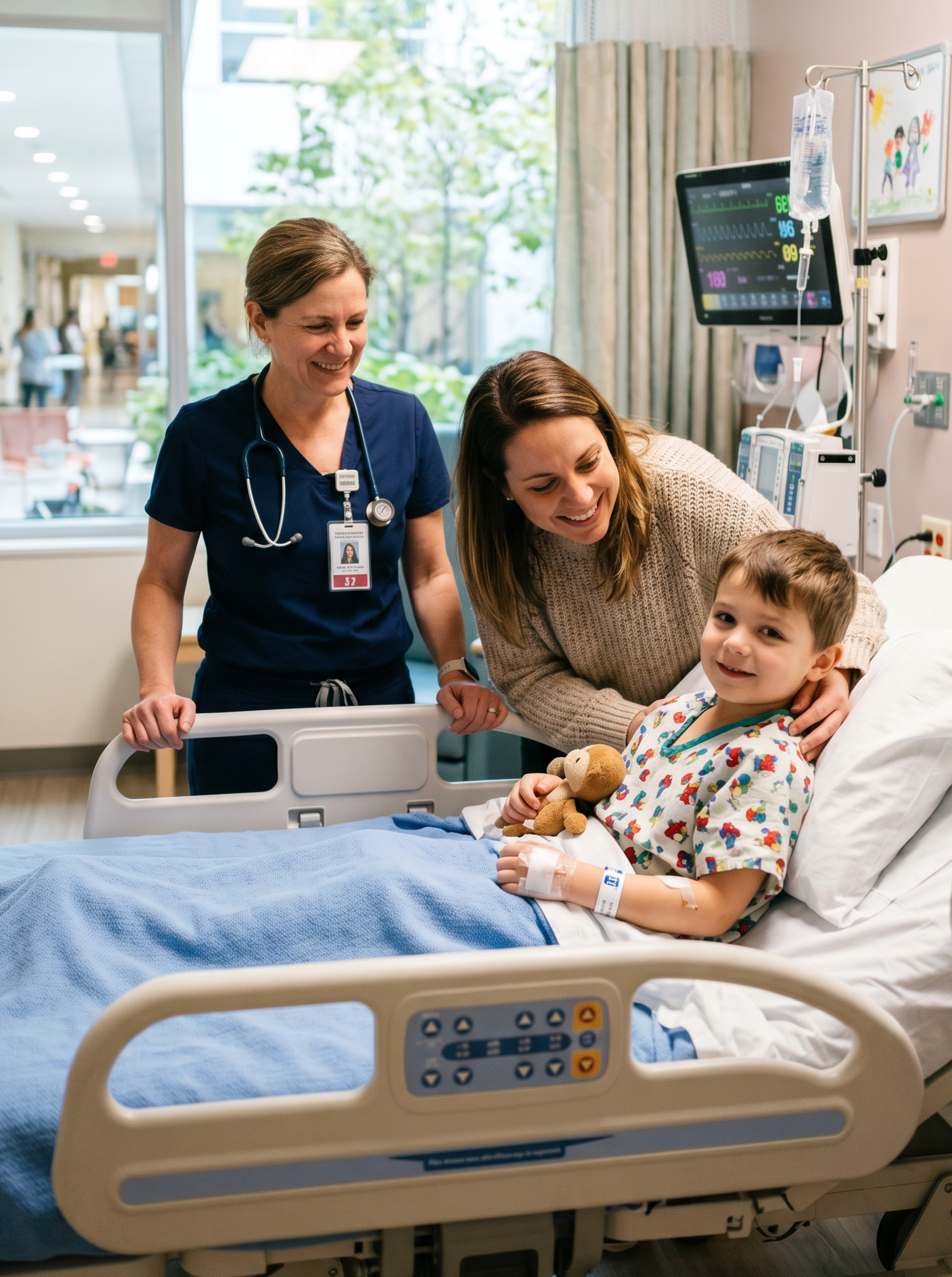
A new technology, developed by the European company Xeltis, draws on Jean-Marie Lehn’s research to manufacture cardiovascular implants made of polymers capable of adapting to children’s growth before being naturally absorbed by the body. Thanks to the basic research conducted in Strasbourg, the lives of more than 30 sick young children around the world have already been saved.

Vaccines & Therapies

Jean-Paul Behr, Member of the Academy of Sciences Founder of Polyplus-transfection

Jean-Paul Behr’s discoveries in chemistry paved the way for messenger RNA (mRNA) vaccines and gene therapies that are now saving millions of lives. A visionary chemist, his research led to the founding of Polyplus, a Strasbourg-based company that has become a key player in the field of biotechnology and was acquired by Sartorius for 2.4 billion euros in 2023. He likely never imagined, while conducting his research in Strasbourg, that his discoveries would one day be used to save millions of lives.
The methods he developed to deliver DNA or RNA into cells are now at the heart of messenger RNA (mRNA) vaccines—which have changed the course of the pandemic—as well as gene and cell therapies that are restoring hope to patients with rare diseases or cancer.

Better Cancer Treatment

Alain Wagner, Founder or Co-Founder of 5 Startups (Novalyst Discovery, now Novalix; PhytoDia; eNovalys; Syndivia; Microomix)

In Alain Wagner’s laboratory in Strasbourg, one idea guides everything: targeting the tumor with precision while minimizing harm to the patient. His chemistry enables the development of more precisely controlled antibody-drug conjugates (ADCs)—“vectors” capable of transforming toxic potency into a precise attack. From these advances emerged Syndivia (2014), to translate laboratory-based evidence into a new generation of targeted therapies.
Today, the startup is developing a preclinical program for prostate cancer and reached a milestone in 2025 with a major agreement signed with a leading pharmaceutical company. The goal is very concrete: greater efficacy, better tolerability, and ultimately a slightly more bearable daily life for patients.

Donation DONATIONS MAKE A DONATION