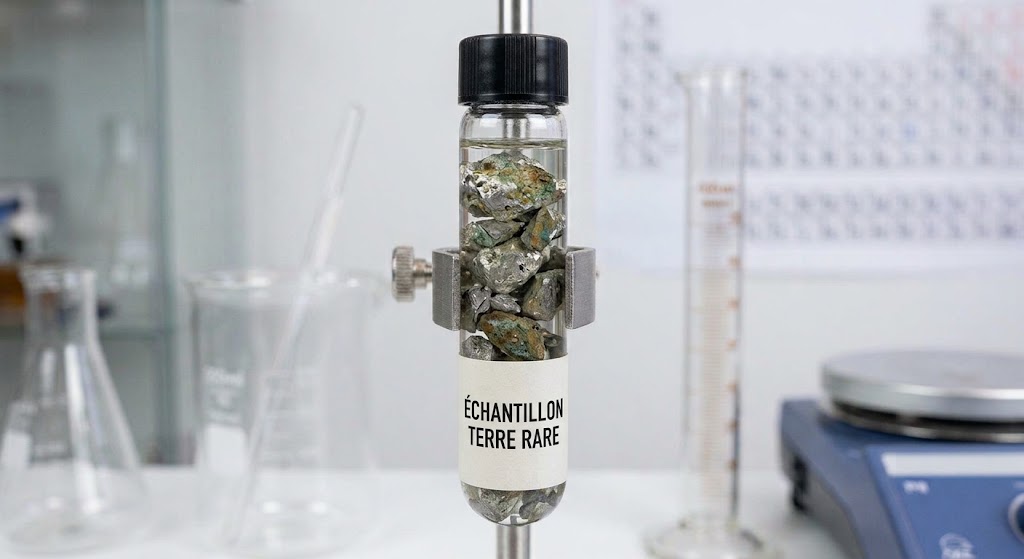
An environmentally friendly technique for extracting rare metals
Rare earth elements consist of 17 metallic elements that are ubiquitous in our technological products, including those essential to the ecological transition. China, which holds a virtual monopoly on the mining and refining of rare earth elements, uses highly harmful industrial methods (heavy metals, toxic solvents, radioactivity, etc.) that consume large amounts of water and energy.
To date, the European Union is 99% dependent on rare earth imports, primarily from China: China accounts for 60% of global mining production and more than 90% of refining (1). Europe has only 2 refining sites out of 49 active projects worldwide (2)—a sensitive strategic position for France and Europe, especially since the industrial processes for separating and filtering rare earths, which involve multiple stages of chemical refining, are among the most environmentally and climatically critical industrial challenges (3).
It is in this context that Professor Bernard Doudin, a research director at the Strasbourg Institute of Materials Physics and Chemistry (IPCMS), has developed—along with his team—an innovative, simple, effective, and environmentally friendly method for purifying rare earth elements using a magnetic field. This is a key breakthrough for so-called “magnetic” rare earth elements, which are essential for batteries, wind turbines, and motors in an environmentally responsible society.
(1): European Commission (2020), "Study on the EU's List of Critical Raw Materials (2020)"
(2): R. Embleton, Wood Mackenzie, November 2023
(3): D.S. Sholl and R.P. Lively, 2016, *Nature* 532, 435, "Seven Chemical Separations to Change the World."
10 years of research, decisive support, and a cascade of funding
This technology is the result of 10 years of collaborative research between the University of Strasbourg, the CNRS, and Trinity College Dublin on magnetic forces and liquids, led by Prof. Bernard Doudin and Dr. Peter Dunne at the IPCMS, alongside Prof. Michael Coey, a magnetism specialist at Trinity College Dublin. It was the support of the Jean-Marie Lehn Foundation—at a stage that was still exploratory and considered high-risk—that made it possible to launch the project, subsequently paving the way for a cascade of additional funding from other regional and national partners.
"The Foundation's supportmade it possible to launch a project that was initially considered high-risk and difficult to fund through government agencies. Without its support, this project would likely have remained on the back burner."
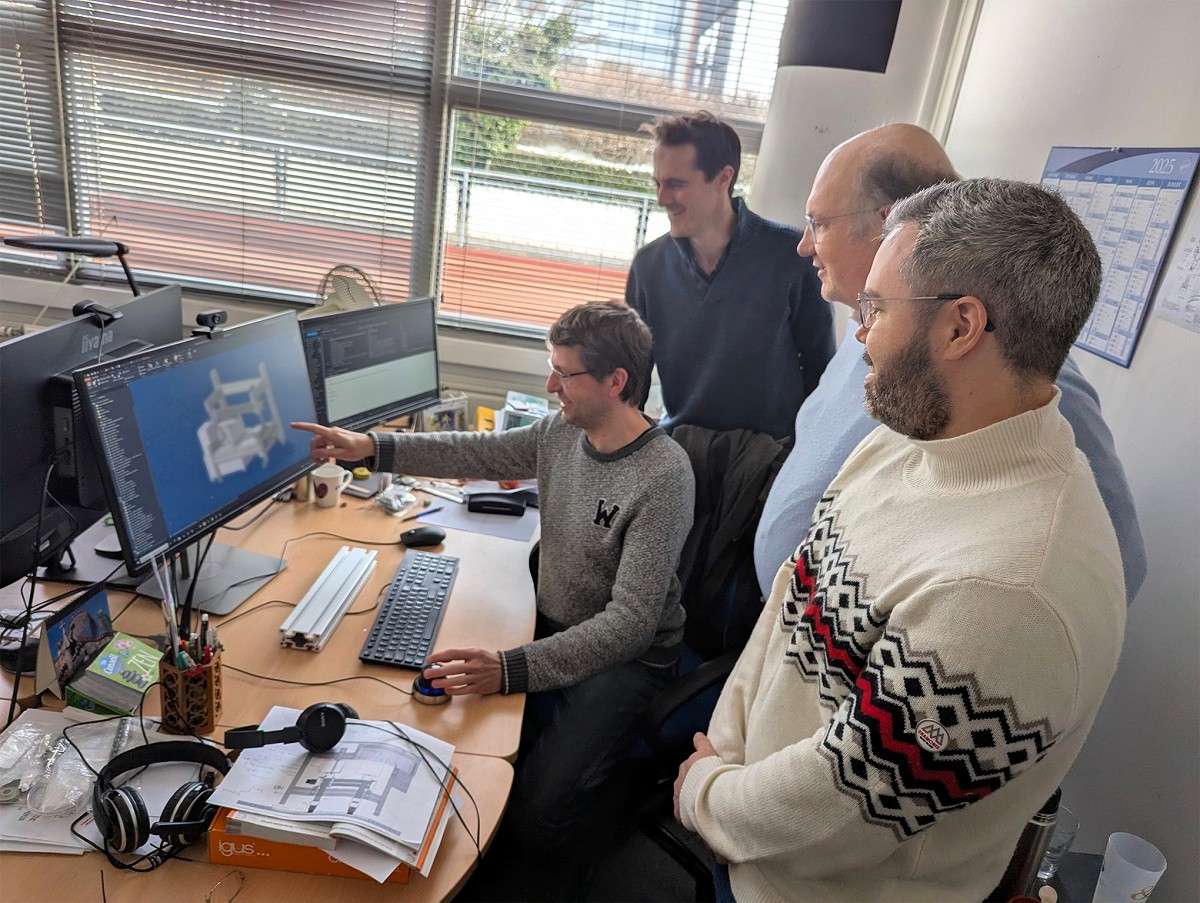
REMEDY, the startup founded in 2024 in Strasbourg
REMEDY offers a solution for European independence in the face of trade tensions between the United States and China, as well as restrictions on rare earth exports.
“Byfocusing on magnetic components, we can dramatically reduce environmental impacts, with a reduction of more than 95% in energy consumption, water use, and CO₂ emissions. By developing these new strategic industrial activities, we will support the objectives of the European Critical Raw Materials Act and generate significant economic benefits while creating jobs in Europe throughout the recycling value chain.”
©Peter Dunne / Remedy
