What is at stake
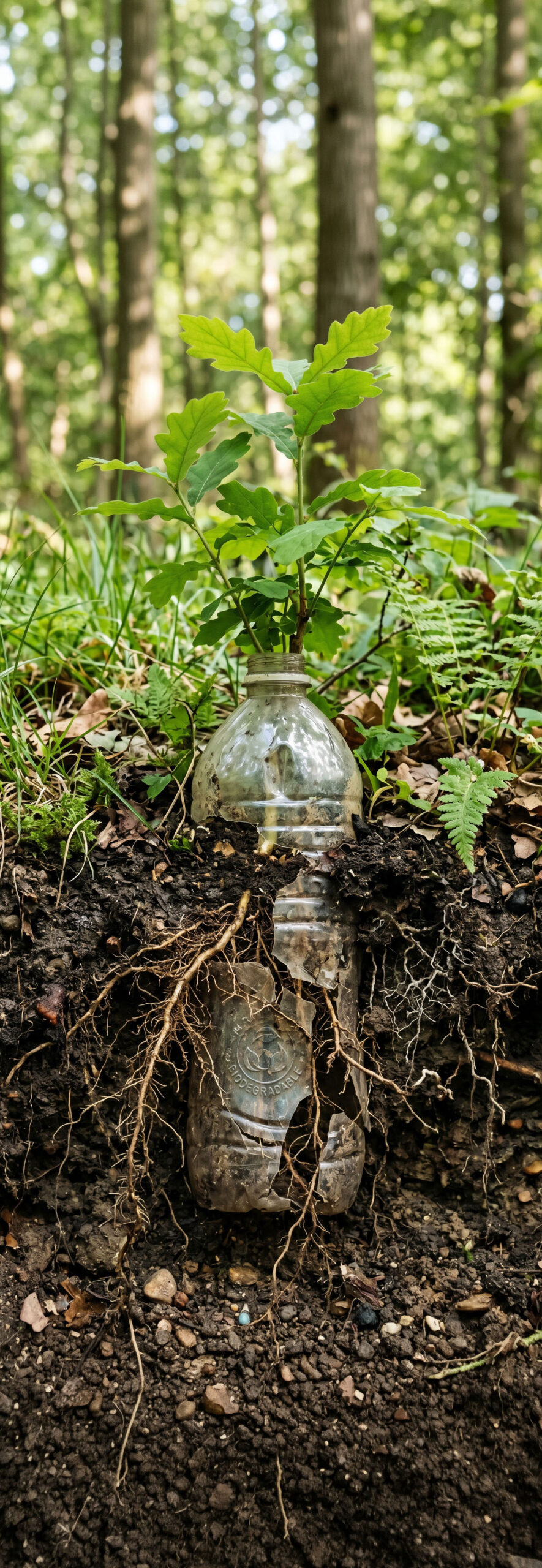
According to the European Chemicals Agency (ECHA), 4.4 million tonnes of PFAS could end up in the environment over the next 30 years if no action is taken. In response to this persistent pollution, this chair aims to foster a circular chemistry capable of replacing persistent substances, PFAS included, with biodegradable polymers.
This goes beyond simple recycling, which is not enough to curb the global dispersion of plastic microparticles. The objective is clear: to design materials with a controlled life cycle that can naturally biodegrade. The expected impact is tangible: less waste, less toxicity and more environmentally friendly materials.
Strasbourg, a unique ecosystem
Strasbourg's strength lies in considering a material at every stage of its existence, from its design right through to the end of its life cycle. Its expertise spans bio-based and recyclable polymers, recycling through depolymerisation and the valorisation of biomass such as lignin. Most importantly, end-of-life management is not an afterthought: it is built in right from the material’s design stage.
The chair's ambition is to design materials whose degradation is anticipated from the development stage, in order to replace the most persistent molecules – PFAS foremost among them – with alternatives that are just as effective but designed to break down rapidly in the environment.
