Lucille Weiss: Innovative Fluorescent Probes for Rapid Detection of Bacterial Infections

Published on June 25, 2025
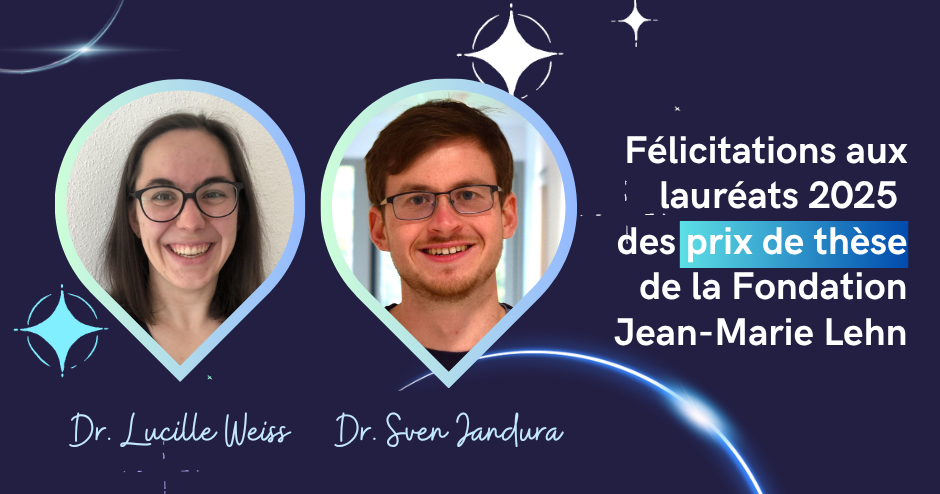
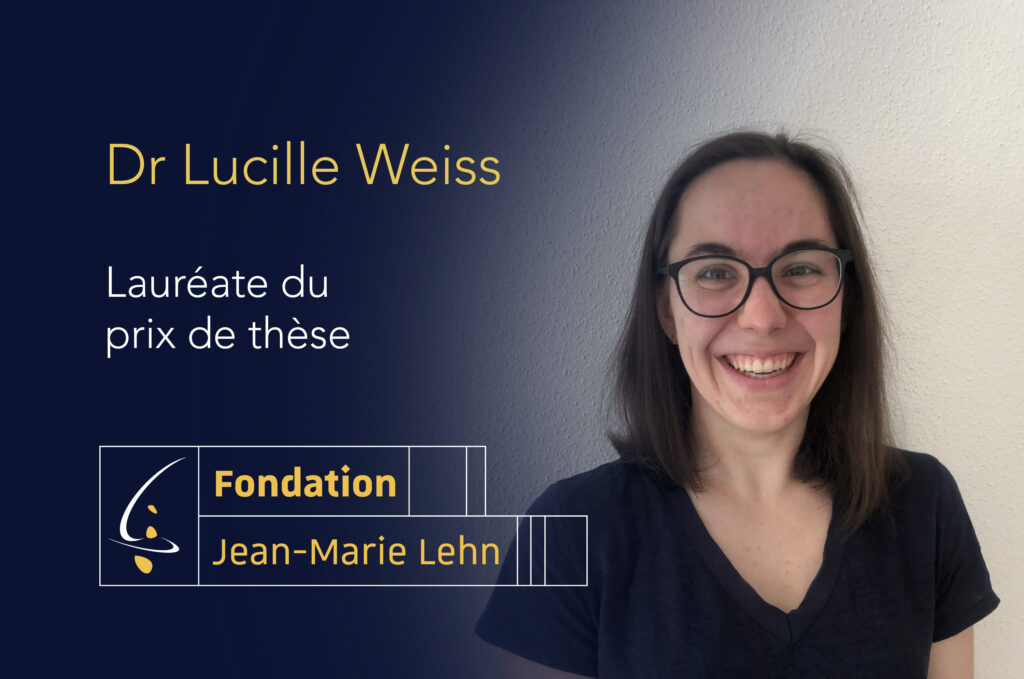
Lucille Weiss, a recent graduate of the University of Strasbourg, has won the Jean-Marie Lehn Foundation’s thesis award. This honor recognizes the remarkable academic achievements of this young researcher, who has developed a new tool to detect the presence of bacteria in patient samples. Her work, conducted at the Therapeutic Innovation Laboratory in Illkirch under the direction of Dominique Bonnet and with guidance from Julie Karpenko, opens up exciting prospects for future diagnostic tools that are faster than existing methods.

Dr. Lucille Weiss

Detecting a bacterial infection: tests that currently take several days

A bacteriological analysis of a urine sample currently takes 2 days. There is an urgent need to develop new, faster methods for patients so they can receive effective treatment without delay and to avoid any diagnostic delays that could lead to serious complications. This delay also leads doctors to prescribe antibiotics preventively, even before they know for certain whether the condition is indeed a bacterial infection. Unfortunately, the overuse and unnecessary use of antibiotics has contributed to the development of bacteria that have become resistant to antibiotics. According to the WHO1, this antibiotic resistance is one of the most serious threats to global health.

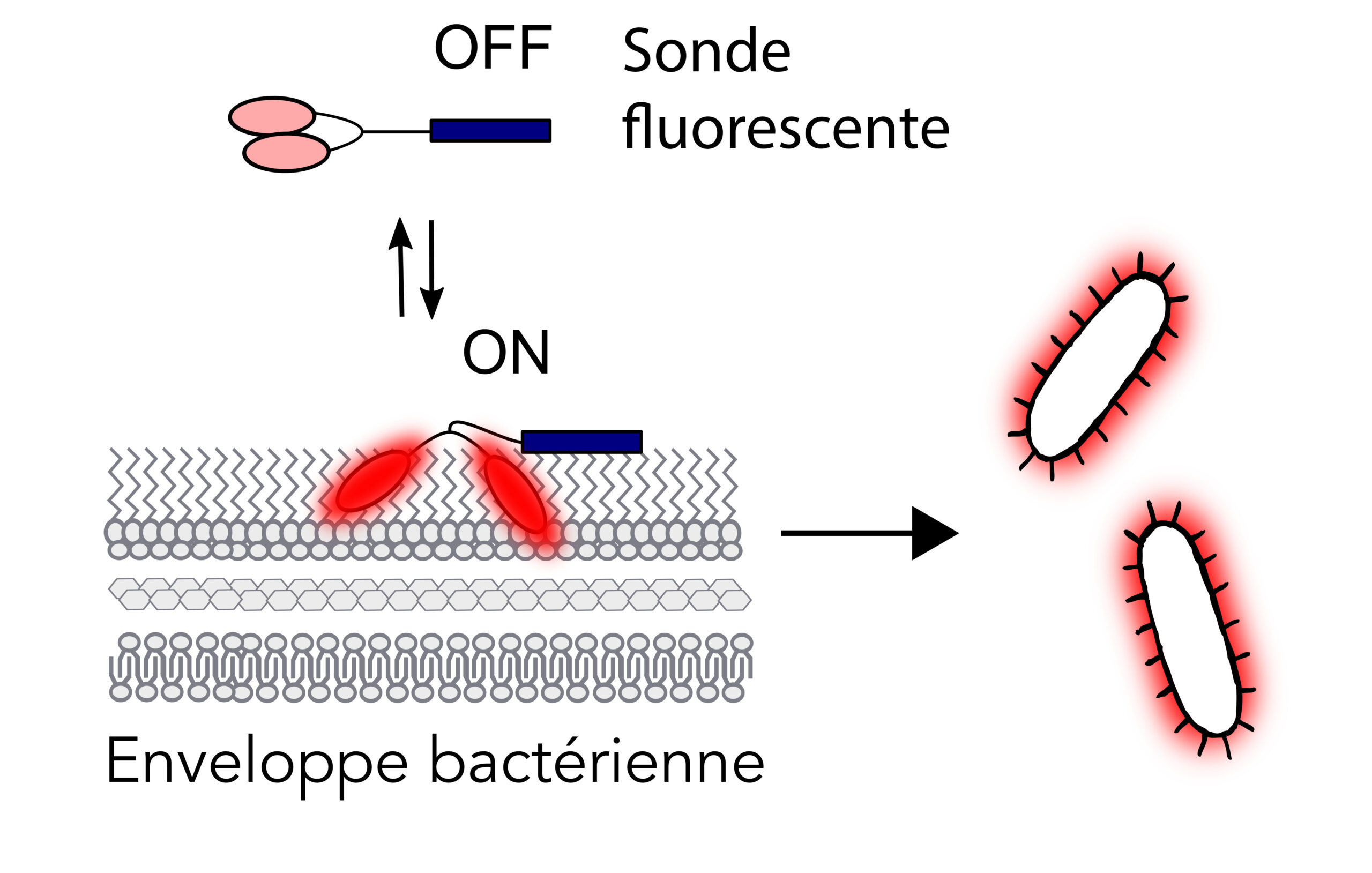
The goal of Lucille Weiss’s dissertation was to develop a fluorescent probe capable of activating and emitting detectable light only upon contact with bacteria in solution. The researcher explains the originality of her approach : “There are already fluorescent probes that recognize bacteria, but they are sometimes always fluorescent or lack specificity. This means the solution must be washed to remove probes not bound to bacteria. This is labor-intensive, and there is always a residual signal that can lead to a false positive. The probe we synthesized incorporates a fluorescent marker linked to peptides that recognize bacterial membranes. In an aqueous medium, the fluorophore emits no light; it is activated only once the probe binds to a bacterium. The probe then emits radiation that can be detected using a method called flow cytometry.” Tested in the presence of other mammalian cells, this “Turn ON” probe enables specific and, above all, nearly instantaneous detection.

Figure 1: The sensor is activated only upon contact with the bacteria and then emits a detectable light signal.

Innovative tools to facilitate the study of bacteria

The discovery of new antibacterial molecules is a public health priority in the fight against antibiotic resistance. Some pharmaceutical companies’ strategies are based on computer modeling of thousands of molecules with therapeutic potential. While their structures may be promising in theory, each of these molecules must still be synthesized and tested to assess their ability to inhibit bacteria.
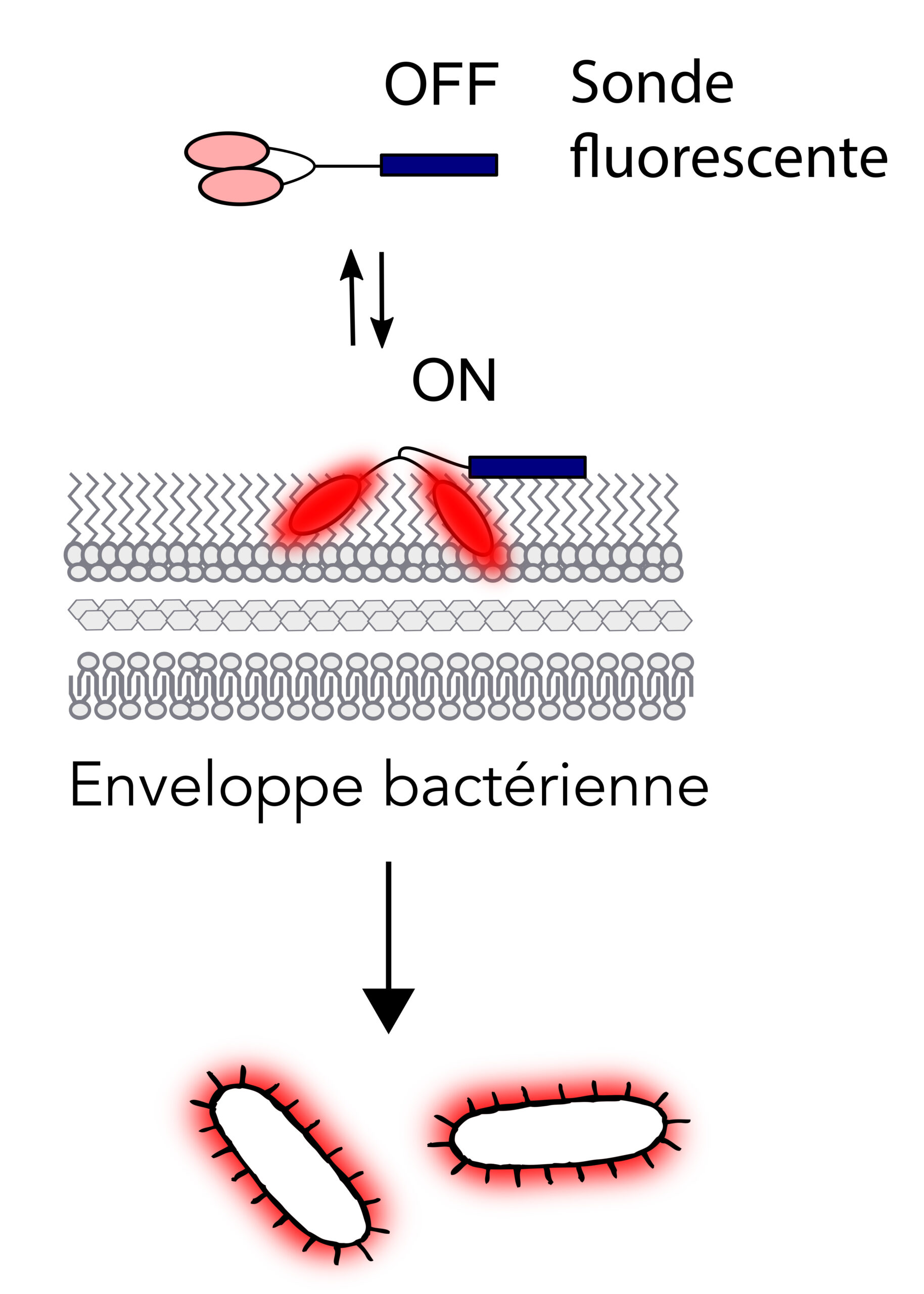
During her doctoral research, Lucille Weiss also developed another type of probe capable of changing color depending on the health status of the targeted bacterium2: “The probe binds to the surface of the bacterium and contains a fluorophore that emits yellow light when the bacterium is healthy, but emits red light when the bacterial envelope is compromised (Figure 2). This could be useful for making an initial selection of therapeutic molecules to be tested, prioritizing those that already appear to affect the bacteria based on this colorimetric test.”
Figure 2: The color emitted by the probe reveals the health status of the bacteria present.2

From the lab to the sports arena: an inspiring journey that has paid off

Alongside her scientific career, Lucille Weiss has always practiced rhythmic gymnastics, a passion that has helped her develop the mindset of a researcher: “I’ve been a gymnast since I was very young. Competing means forcing yourself to repeat the same movements hundreds of times, persevering, pushing your limits, and building a mindset that can withstand failure. That training forged my resilience and fighting spirit—qualities that are very useful for a Ph.D.!” The Jean-Marie Lehn Foundation’s thesis prize will undoubtedly take its place on her shelf of sports trophies, an award that means a great deal to her: “There’s always the specter of imposter syndrome looming over many Ph.D. students. Receiving this award is like validation—you tell yourself, ‘OK, I received honors from the committee for my PhD, I even have a thesis award… that means I’ve done a good job after all!’—and you head back to the lab feeling more confident!”

Now a postdoc, Lucile Weiss hasn’t ruled out pursuing a career in industry despite her successful dissertation: “Both my parents are researchers, so I’m familiar with the challenges of public research. For now, I’m continuing my research in Strasbourg, but I plan to move into the private sector later on. In any case, the dissertation was a rewarding experience; what I’ll remember most are the strong relationships with my colleagues, the willingness of the researchers who trained me in new techniques, and the quality of my interactions with my peers at scientific conferences. This multidisciplinary dissertation taught me the power of teamwork and the importance of communicating with other scientists to keep an open mind.”

The Jean-Marie Lehn Foundation congratulates Lucille Weiss on her outstanding career and the promise of her research for the development of new diagnostic methods.

Thesis Award Ceremony on June 20, 2025 

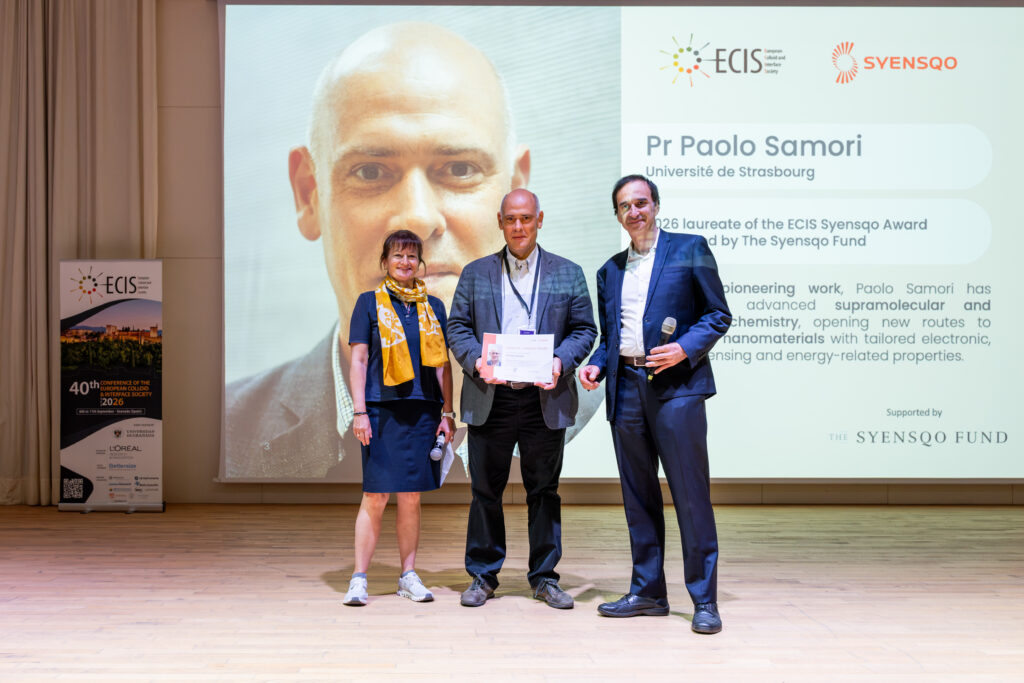
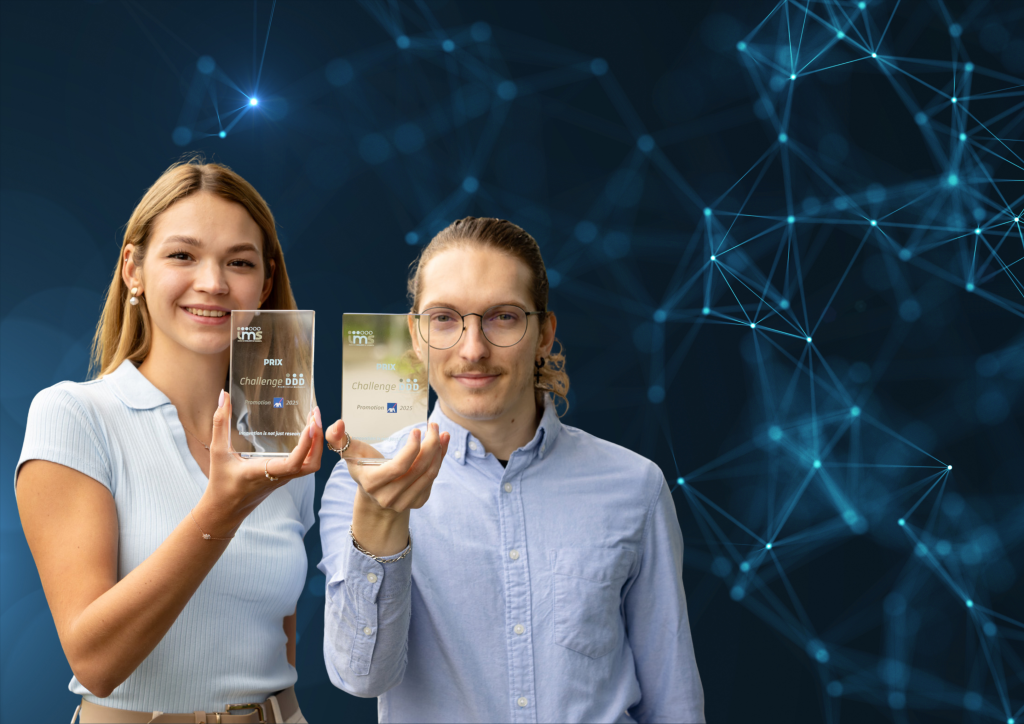
The awards ceremony was held on Friday, June 20, 2025, and was attended by the award recipients, their thesis advisors, and representatives of the Foundation. The Jean-Marie Lehn Foundation’s thesis award, worth €1,500, recognizes outstanding, innovative, and impactful research conducted in the Strasbourg area.

Sources

1.  https://www.who.int/fr/news-room/fact-sheets/detail/antibiotic-resistance

2. Flow Cytometry Analysis of Perturbations in the Bacterial Cell Envelope Enabled by Monitoring Generalized Polarization of the Solvatochromic Peptide UNR-1. Lucille Weiss et al., Analytical Chemistry Vol. 97, Issue 1, December 2024. https://pubs.acs.org/doi/abs/10.1021/acs.analchem.4c04953

Donation DONATIONS MAKE A DONATION