
An ERC Advanced Grant for research into new catalysts

Published on May 13, 2022

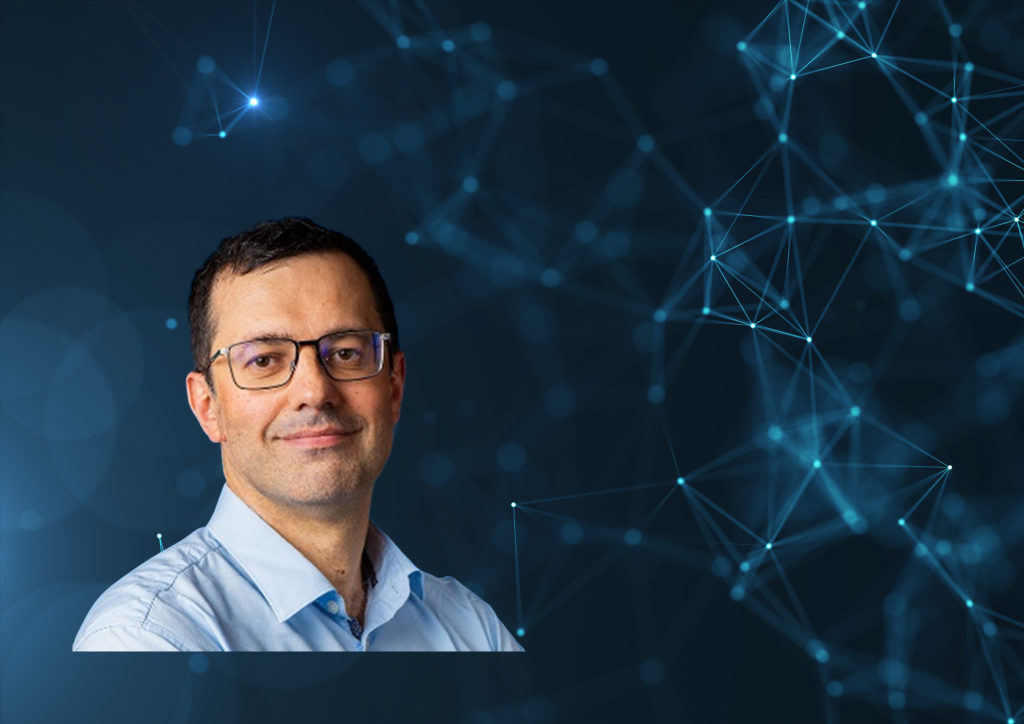
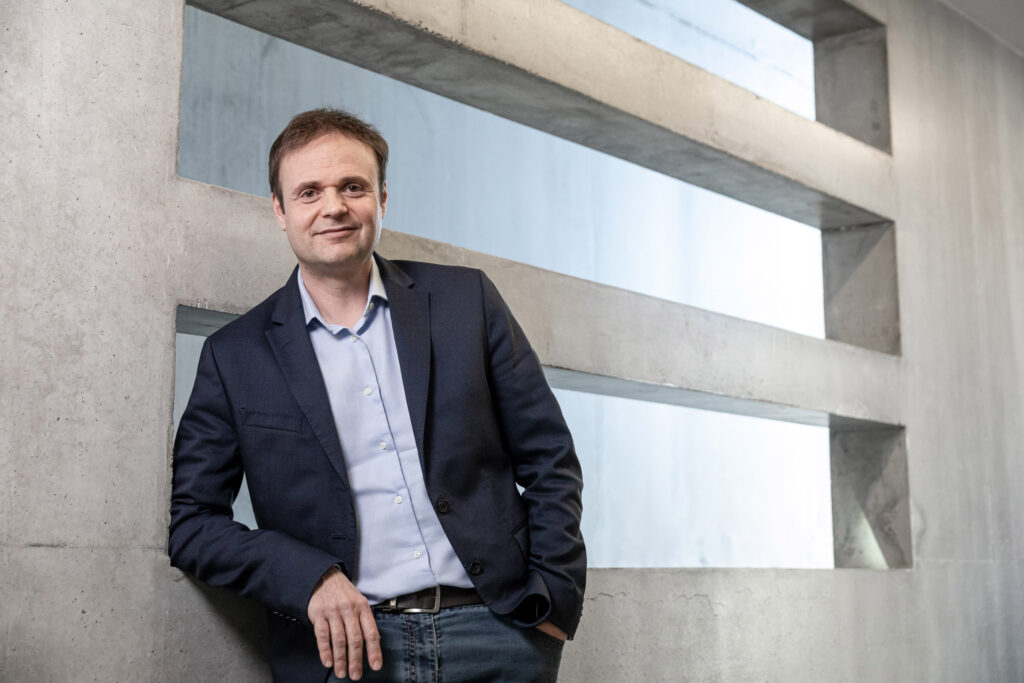
Amir Hoveyda is an American researcher who joined the University of Strasbourg in March 2019 as part of the MOPGA “Make Our Planet Great Again” program. As a professor at the Institute of Supramolecular Science and Engineering (ISIS), his research focuses on discovering new catalysts for the synthesis of stereodefined and modifiable tetrasubstituted alkenes.

Tetra-substituted olefins are essential for drug discovery, and the ability to synthesize these compounds is crucial. Pioneering studies have led to notable advances, but significant gaps remain. For example, it is particularly difficult to synthesize tetrasubstituted alkenes that contain four large substituents or a fluorine atom and/or a trifluoromethyl group. The limited number of available protocols yields only one of the two possible isomers.
Tetra-substituted alkenes containing multiple modifiable substituents are particularly attractive, as they can serve as diversification points leading to a wide array of desirable compounds. Olefin metathesis offers a strategically distinct, efficient, and stereodivergent route to such compounds. However, olefin metathesis catalysts capable of generating a broad range of tetrasubstituted alkenes have not yet been developed.

Professor Hoveyda’s team will use the ERC funding to design a new class of pivoting molybdenum and tungsten catalysts that can be used to promote ring metathesis and cross-metathesis reactions that efficiently generate readily modifiable tetrasubstituted olefins. The unique design feature of these catalysts is that the rotation of the ligands is synchronized, allowing a suitable binding site to become available that accommodates a highly substituted metallacyclobutane.

A second project by the research team is to design a completely new class of cyclic molybdenum and tungsten catalysts for the cross-metathesis between readily available trisubstituted alkenes and polyhalogenated alkenes. A distinctive feature of these catalysts is that intramolecular mechanisms play a key role in the catalytic cycle. Stereodivergence will be achieved through stereoretentive processes using commercially available polyhalo-tetrasubstituted olefins. The new complexes will represent another exciting new chapter in catalyst design, broadening the range of accessible tetrasubstituted alkenes.

https://savoirs.unistra.fr/talents/une-bourse-erc-advanced-grant-2021-pour-la-recherche-de-nouveaux-catalyseurs

Discover all the awards and honors received by the Strasbourg Chemistry Research Center:
https://fondation-lehn.fr///prix-et-distinctions/

Donation DONATIONS MAKE A DONATION