Sven Jandura: Improving the Reliability of Next-Generation Quantum Computers
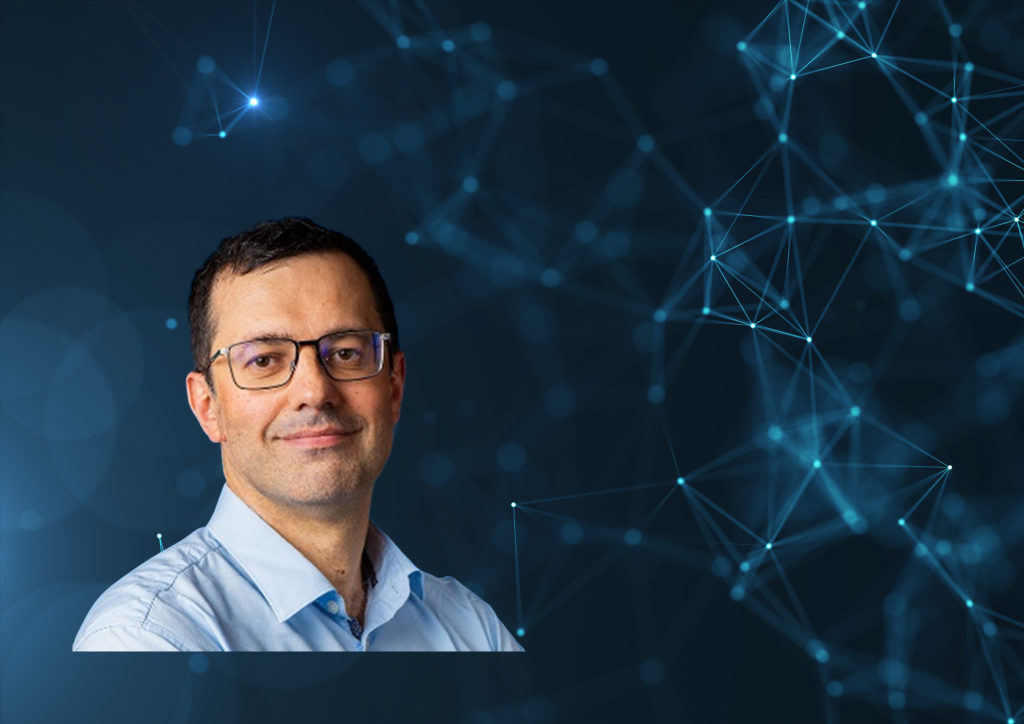
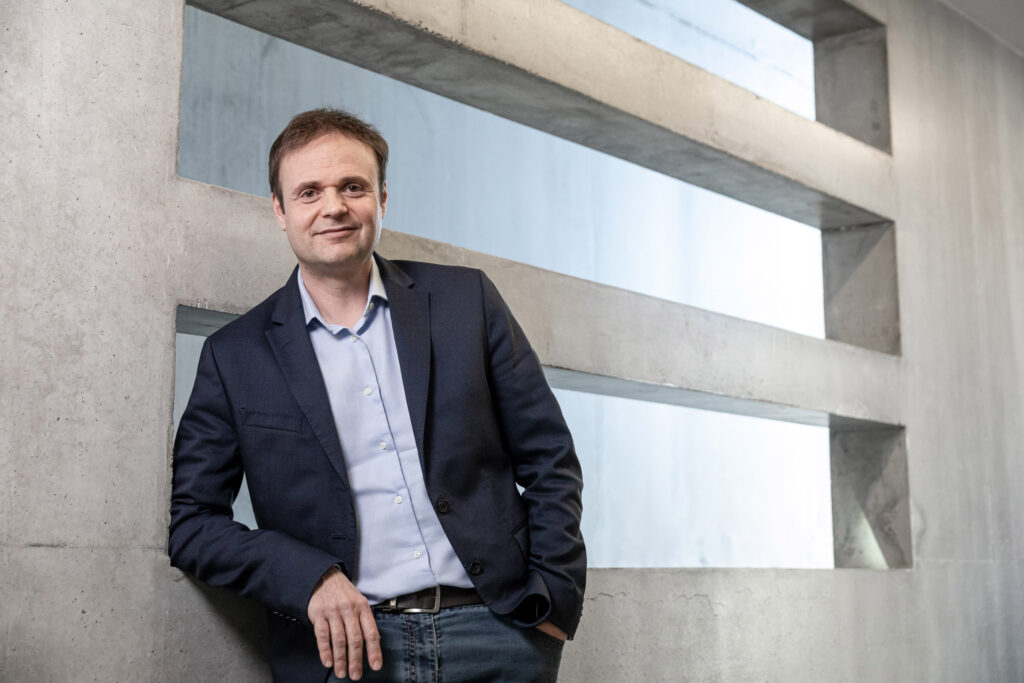
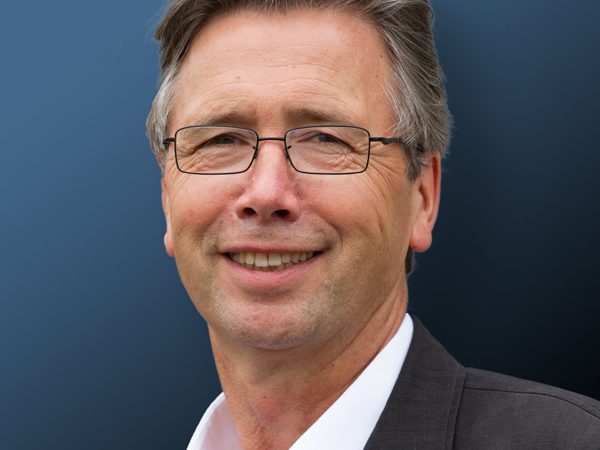
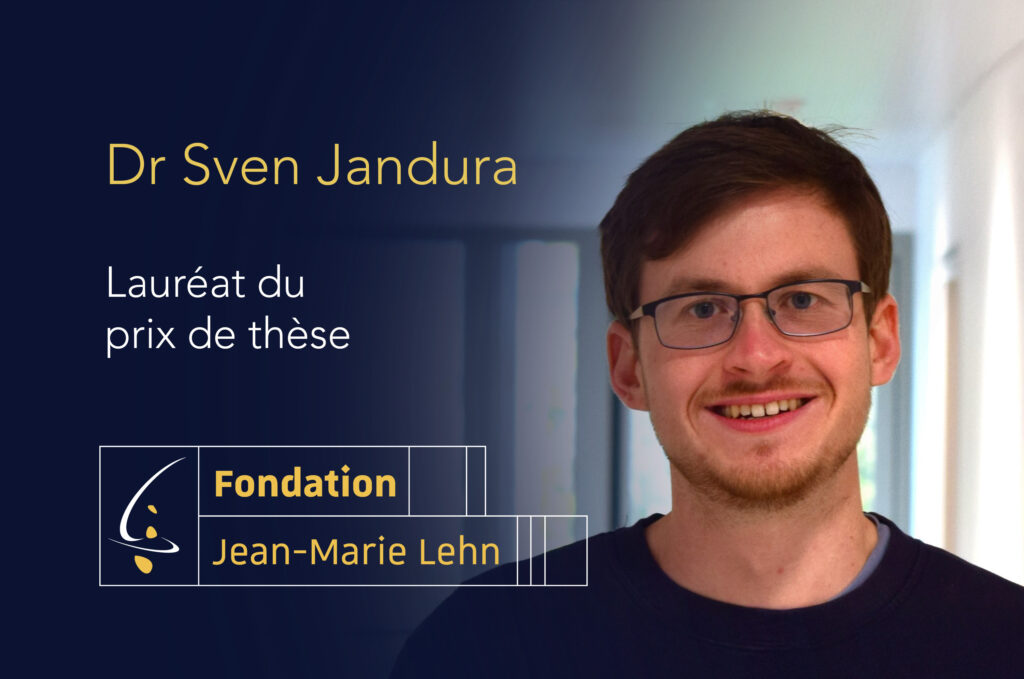
Dr. Sven Jandura. Credit: S. Beta
Quantum computing, a highly strategic field of research
The computing power of quantum computers far exceeds that of classical machines. Thanks to two phenomena known as “superposition” and “entanglement,” a quantum computer performs numerous calculations in parallel, whereas a classical computer performs calculations sequentially, one after another. This technology could enable the creation of highly complex models and the selection, in record time, of the best possible solutions in many fields, such as logistics, the search for therapeutic molecules, cybersecurity, the optimization of artificial intelligence, and weather and climate forecasting.
After earning a master’s degree in physics from ETH Zurich, Sven Jandura completed his dissertation at the ISIS Quantum Physics Laboratory. He focused on a new type of technology: neutral-atom quantum computing. Qubits, which represent the basic units of information in quantum computing (the equivalent of bits in classical computing), are realized using atoms known as neutral atoms, since they are electrically uncharged. These atoms are trapped in space by lasers, which act like light tweezers that allow them to be aligned, moved, and have their quantum state altered in order to perform complex operations.
Illustration of neutral atoms trapped in laser traps (Image generated by artificial intelligence)
Sven Jandura explains that this type of quantum computer offers many advantages: “Unlike some cryogenic quantum technologies (such as those using superconductors), neutral atoms do not require equipment operating at cryogenic or ultra-cold temperatures. The atoms themselves are kept at ultra-cold temperatures, but the entire experimental setup can remain at room temperature. These systems are therefore more compact, easier to handle, and more energy-efficient. Using neutral atoms also offers two advantages: they are all the same type of atom (which makes them easier to calibrate), and the fact that they are uncharged greatly limits their interactions with the environment, making the qubits very stable. Finally, lasers are very practical tools for creating large networks of atoms and reconfiguring them very quickly.” This emerging technology nevertheless requires improvements, particularly in limiting errors caused by atoms escaping their laser trap. Sven Jandura’s dissertation focuses on this issue.
A Thesis on Improving the Reliability of Neutral-Atom Quantum Computers
The German researcher’s role in this promising new technology was to improve the use of lasers that control neutral atoms. With a double bachelor’s degree in mathematics and physics from Ludwig-Maximilian University in Munich, Sven Jandura spent months refining his calculations: “I’m a theoretical physicist, which means I develop laser protocols and perform complex calculations to optimize the amplitude and frequency of the lasers so they can manipulate atoms as effectively as possible. The goal was to minimize errors as much as possible and make the calculations more robust… at least on paper!”
During his dissertation, the researcher was nevertheless able to test his protocols thanks to several collaborations with laboratories at Harvard and Princeton universities in the United States: “The trials lasted two years; it was challenging for the teams, whose equipment and lasers suffered numerous breakdowns during the experiments.” It was also very stimulating, because as the tests progressed, I was able to refine my protocols based on the results, step by step. One of the main challenges for me was mastering the error-correction codes to ensure the calculations were reliable. Errors are inevitable; the challenge is to encourage the kinds of errors we know how to correct… an entire field of research I knew nothing about when I started my dissertation. But it eventually worked out—we significantly reduced errors and built more robust systems, a success marked by several publications in prestigious journals1,2.”
The researcher also collaborated with a team from the University of Colorado to develop ultra-high-precision quantum clocks: “In fundamental research, it is very useful to measure time with extreme precision; it is a powerful tool for testing the limits of current physical laws. This collaboration has also just been published in the journal *Nature* 3.”
A Blend of Passions: Between Equations and Field Trips
Working in theoretical physics can be taxing on the brain. For Sven Jandura, taking his mind off things and going for a bike ride in the Vosges was crucial for his personal well-being . “Completing a Ph.D. is a very intense time in a researcher’s life. When you bike out from Strasbourg, you’re out in nature pretty quickly. Hiking or mountain biking in the Vosges Mountains are great ways to unwind; that was my outlet for clearing my head and admiring nature (on a macroscopic scale this time),” explains the young physicist, emphasizing the importance of recharging his batteries between experiments—proof that it’s sometimes necessary to step out of the lab to return to his calculations in a better frame of mind.
Recipient of the Jean-Marie Lehn Foundation Thesis Award
This outstanding career caught the attention of the jury for the Jean-Marie Lehn Foundation’s dissertation awards. This award, which Sven Jandura naturally appreciates, recognizes the originality of his work, even though he did not pursue a career in public research: “This award is a wonderful way to close this chapter of my life. After my dissertation, I left academic research; the skills of a quantum physicist are also in demand in the private sector across a variety of fields. I now work in finance in London.”
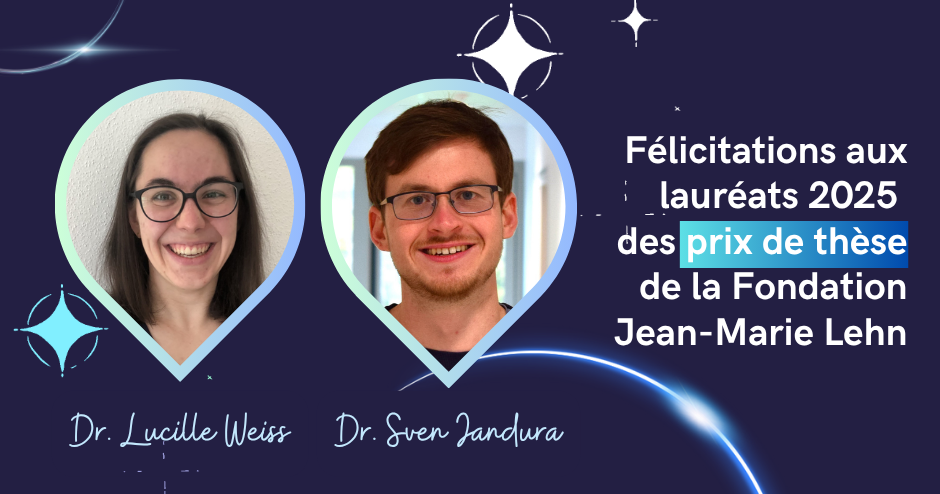
The Foundation extends its congratulations to him and wishes him every success in his new career.
Thesis Award Ceremony on June 20, 2025
Sources
1. High-fidelity gates and mid-circuit erasure conversion in an atomic qubit. Shuo Ma, Genyue Liu, Pai Peng, Bichen Zhang, Sven Jandura, Jahan Claes, Alex P. Burgers, Guido Pupillo, Shruti Puri, and Jeff D. Thompson. Nature, vol. 622, pp. 279–284 (2023). https://doi.org/10.1038/s41586-023-06438-1
2. High-rate quantum LDPC codes for long-range-connected neutral atom registers. Laura Pecorari, Sven Jandura, Gavin K. Brennen & Guido Pupillo. *Nature Communications*, volume 16, Article number: 1111 (2025). https://doi.org/10.1038/s41467-025-56255-5
3. Multi-qubit gates and Schrödinger's cat states in an optical clock. Alec Cao, William J. Eckner, Theodor Lukin Yelin, Aaron W. Young, Sven Jandura, Lingfeng Yan, Kyungtae Kim, Guido Pupillo, Jun Ye, Nelson Darkwah Oppong & Adam M. Kaufman *Nature* 634, 315–320 (2024). https://doi.org/10.1038/s41586-024-07913-z
Our articles on the same topic