Agilent is supporting researchers in Strasbourg in developing ultra-sensitive analytical technology for use in healthcare and environmental applications

Published on May 4, 2021

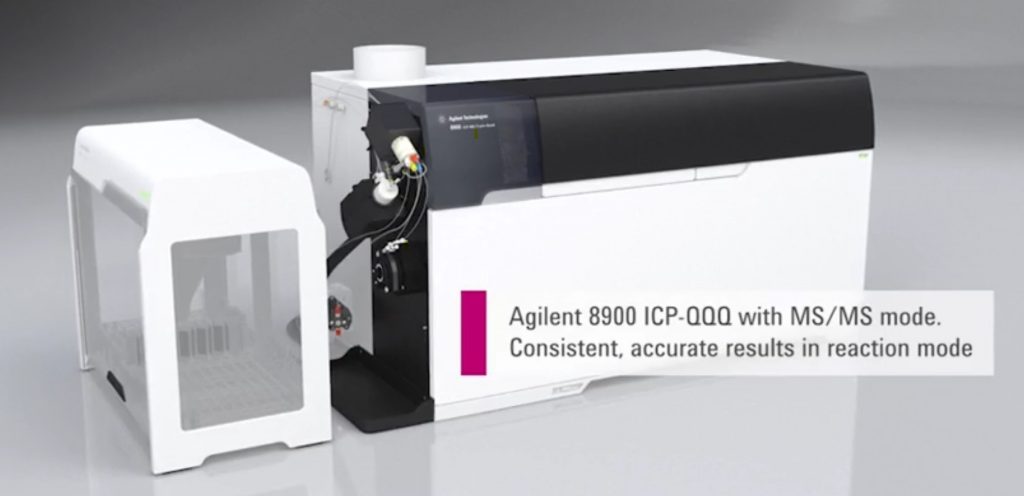
Agilent is a technology company specializing in the design of cutting-edge equipment, including state-of-the-art analytical instruments that are highly valuable for research. The company has developed a device called ICP-MS (inductively coupled plasma mass spectrometry) capable of analyzing the composition of any material with exceptional sensitivity: it is now possible to measure the concentration of elements in a single nanoparticle (single-particle mode) or in a single biological cell (single-cell mode), even when the compounds are present at “ultra-trace” levels—that is, 1 millionth of a gram per gram of material analyzed. This is a true technical feat that did not go unnoticed by Dr. Anne Boos (scientific director of the “inorganic” analytical platform at the Hubert Curien Multidisciplinary Institute—IPHC—in Strasbourg), who is developing techniques for detecting molecules with resolution at the cellular level.

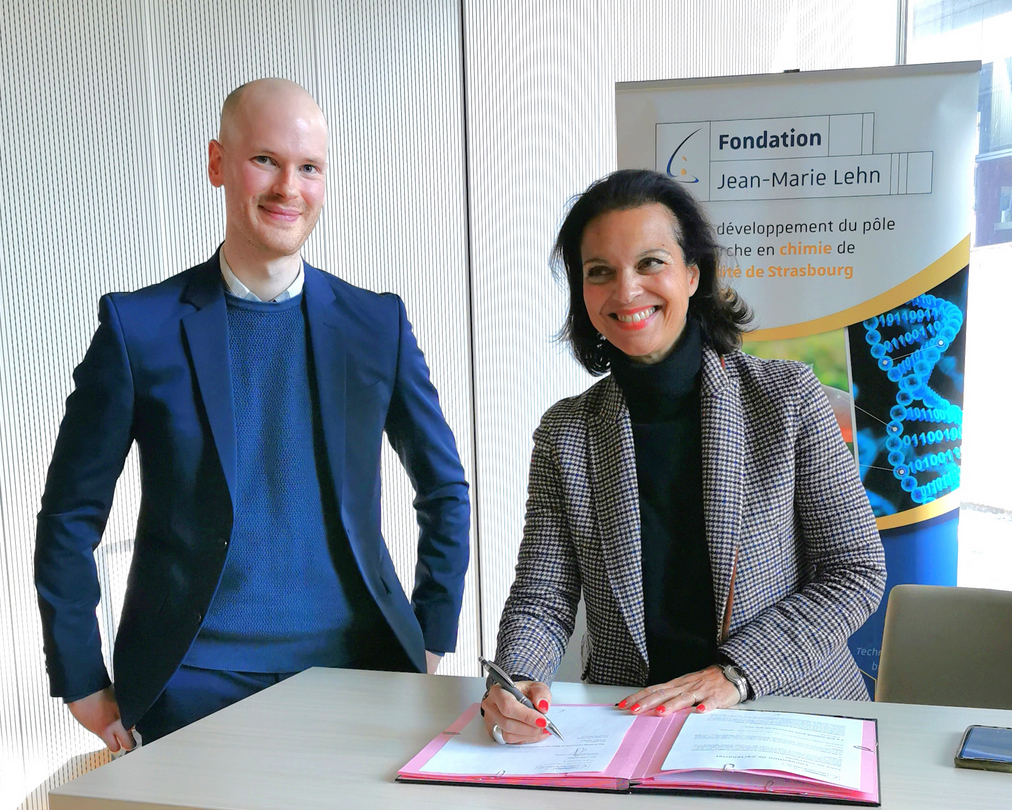
Thanks to the relationship of trust between the Foundation for Chemical Research and Agilent, the foundation was able to connect the researcher with the technology company. This meeting
resulted in support for the laboratory in the form of an in-kind donation: the loan of an 8900 Triple Quadrupole ICP-MS instrument for seven months. This complimentary loan will enable Anne Boos to develop new, ultra-sensitive analytical methods, which will provide valuable insights for many researchers in the fields of health and the environment. The partnership with Agilent focuses specifically on the development of methods using the Single Cell mode.

Anne Boos explains the significance of this project: “The cells are introduced one by one into the device so that the signal from an element present in a single cell at a time can be measured. We determine the distribution of an element or compound within a population of cells, which allows us to measure the heterogeneity of that distribution. Since cells from the same culture may behave heterogeneously with regard to the uptake of the element, these data are invaluable for better understanding the mechanisms of cellular internalization and externalization and, consequently, for example, the ineffectiveness of a therapeutic compound that nevertheless appeared to be well integrated at the global level. Certain antibiotic compounds contain a metal element or affect the transfer of metals necessary for bacterial survival. In this case as well, measuring element concentrations at the single-cell level can help elucidate potential resistances to this antibiotic. "
The single-cell mode can also be used for the diagnosis and ultra-sensitive detection of biomarkers characteristic of a given disease.

This equipment will facilitate the development of these cell-scale analytical methods: “The 8900 Triple Quadrupole ICP-MS is one of the instruments best suited for these new modes, both in terms of sensitivity and signal acquisition speed. Much analytical development remains to be done before this mode can be used routinely in laboratories, and collaboration with researchers from the various relevant disciplines is necessary. The platform is collaborating with several teams at the university (Faculty of Pharmacy, Institute of Chemistry, INSERM) and at ECPM (IPHC, IPCMS, ICPEES) to apply this promising new application of ICP-MS.”

This availability represents an opportunity for the scientific community, as well as an opportunity for Agilent, which will gain new applications related to ICP-MS— a promising partnership for all parties.

New Equipment at the Hubert Curien Multidisciplinary Institute – Video from the University of Strasbourg

Donation DONATIONS MAKE A DONATION