
With support from AXA Mutuelles' corporate philanthropy program, two young researchers are developing an innovative tool to accurately validate cancer treatments

Published on January 24, 2025
In 2023, AXA Mutuelles, through its corporate philanthropy program dedicated to supporting medical research in France, provided funding for a research program offering students the opportunity to develop promising therapeutic innovations. In 2024, two young female researchers won the challenge: Elsa Barbé, a chemical and biotechnology engineer, and Sarah Griesbaum-Dubourg, a chemist specializing in life sciences. They began their doctoral dissertations at the start of the 2024 academic year with a shared goal: to develop an innovative tool to accelerate the development of precision cancer treatments based on the immune system.

A High-Stakes Challenge to Develop the Therapies of Tomorrow

The Strasbourg Institute of Medicines (IMS) is a cutting-edge research center that includes a school of drug innovation management, called Euridis, and a University Diploma in “Therapeutic Research and Innovation.” As part of this program, Euridis organizes the annual DDD “Drug Discovery Development” Challenge, a competition that recognizes pairs of students who, during their master’s program, design an ambitious, interdisciplinary research project to address a medical need. AXA Mutuelles has supported this innovative program through a one-time donation that will fully fund the theses of one winning pair in 2024 and 2025.

“AXA is proud to have been supporting, since 2023 through the DDD Challenge, high-quality training to prepare for the future of medicine. Through this challenge, the Strasbourg Institute of Medicines aligns with the goals of the AXA Mutuals’ health philanthropy program, which aims to support innovative interdisciplinary research to address the major challenges facing medicine. Congratulations to the winners for their work!” 

Clément Rouxel, Director of Communications and Engagement at AXA France

Developing new therapeutic tools to fight cancer

In 2024, five student teams presented their projects to an international panel of academic and industry researchers. Elsa Barbé and Sarah Griesbaum-Dubourg won the DDD Challenge in impressive fashion with an innovative project designed to validate the efficacy of new therapeutic molecules more quickly and with greater reliability before moving on to patient trials.

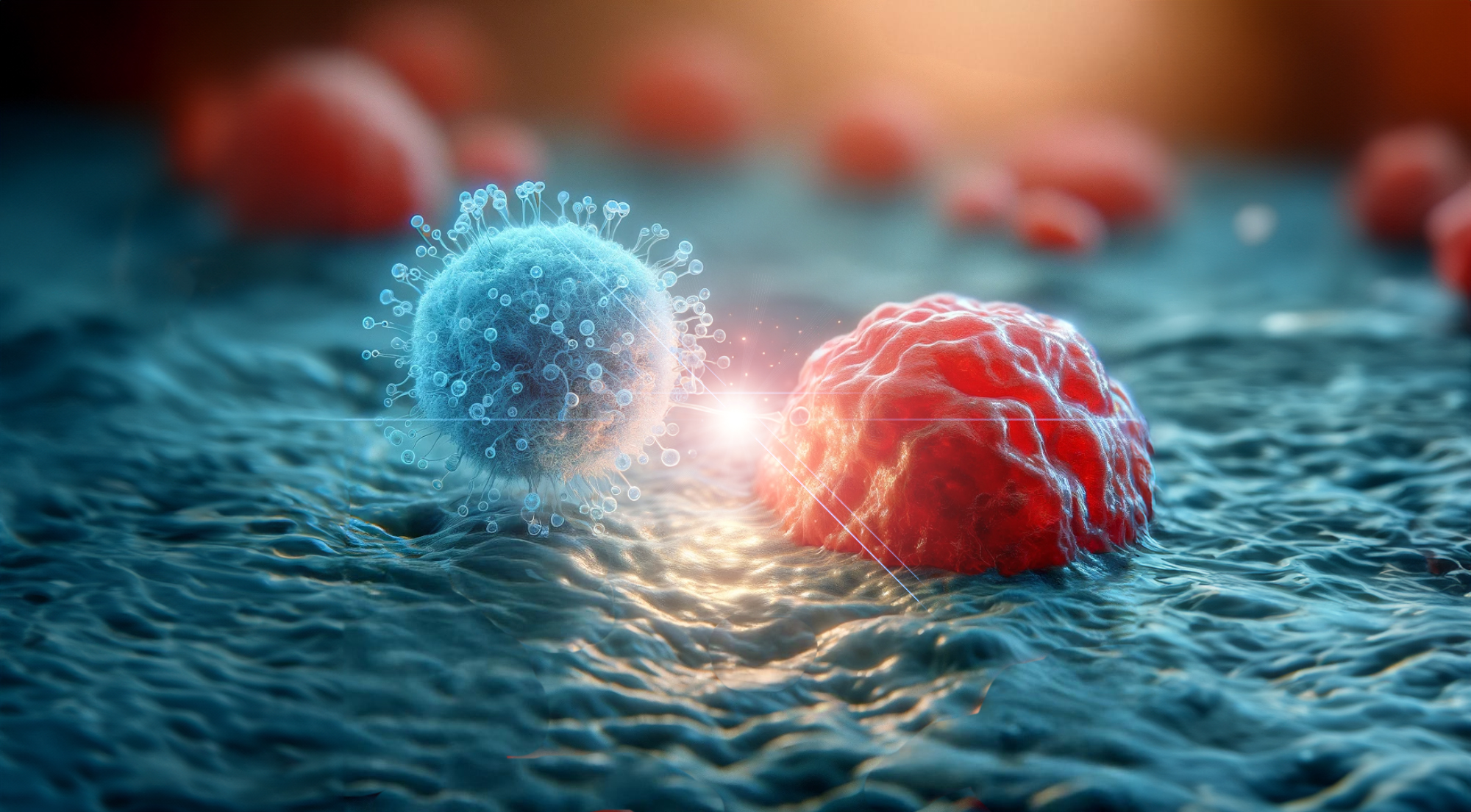
Cancer, the leading cause of death in France, is currently treated with therapies that have severe side effects. “Chemotherapy also attacks healthy cells in the body; we want to facilitate the development of highly specific treatments that target only cancer cells and thus help avoid adverse effects, ” explains Elsa Barbé, a doctoral student in the Nanotranslational Research Laboratory at the Strasbourg Cancer Institute. “Cancer cells have evasion strategies to escape our immune system. There are molecules that give our immune cells a boost to attack tumors. Together with Sarah, we’re going to develop a platform for real-time monitoring of these so-called ‘bispecific’ molecules, which consist of two parts: one that binds to specific markers on the surface of cancer cells, and the other that binds to specific markers on immune cells, ensuring that the two come into contact.”

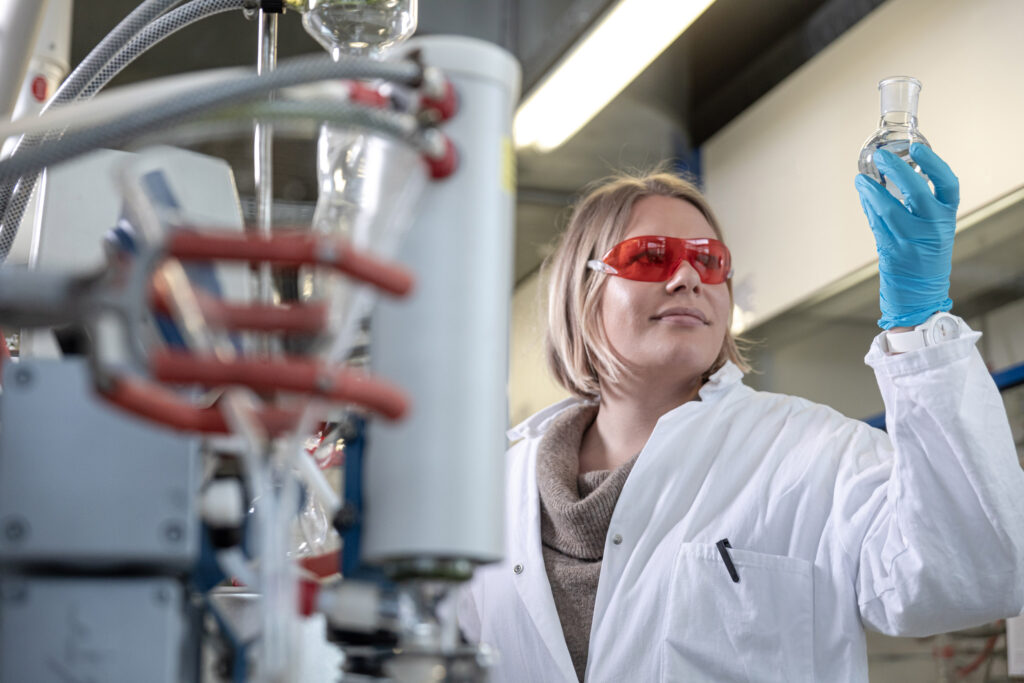
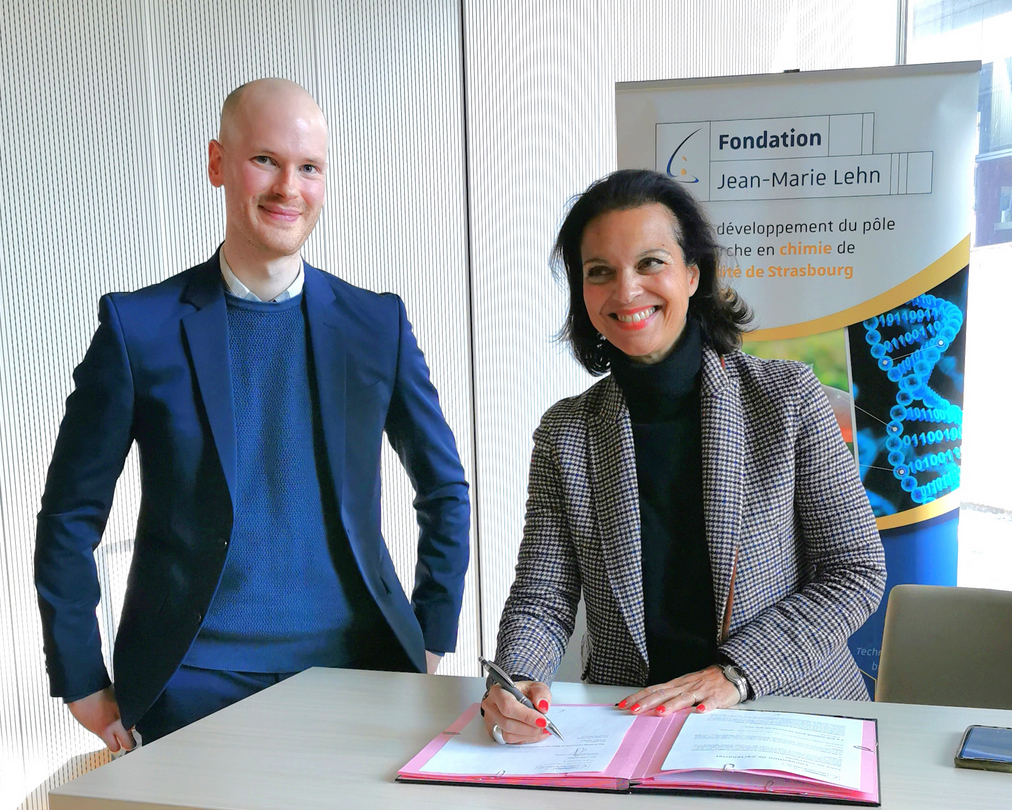
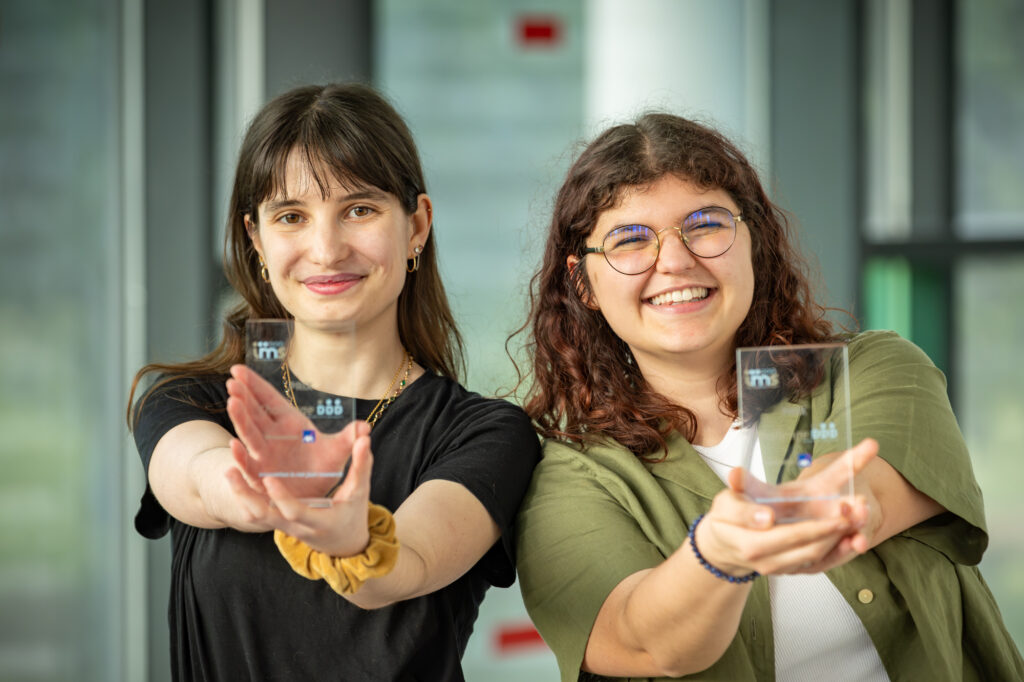
Elsa Barbé (left) and Sarah Griesbaum-Dubourg (right), winners of the 2024 DDD Challenge, have been awarded three years of funding for their doctoral research, made possible by a donation from AXA Mutuelles to the Strasbourg Institute of Medicines.

Today, more than 200 clinical trials involving this type of therapeutic molecule are underway. Sarah Griesbaum-Dubourg, a doctoral student in the Therapeutic Innovation Laboratory within the Chemobiology and Pharmacognosy for Health team, explains the major innovation that sets their project apart: “My team specializes in ‘turn-on’ probes—molecules that become detectable when they interact with a specific target. The originality of our future platform will lie in its ability to emit light once the binding between the cancer cell and the immune cell has occurred. This light signal is a very important indicator for the preclinical tests that will be conducted in animal models. It will allow us to confirm that the binding has indeed occurred and will enable us to detect, for example, whether our molecules bind exclusively to tumor cells and not to other healthy cells elsewhere in the body. This provides an additional quality assurance measure, allowing us to proceed to human clinical trials that are safer and have a greater chance of success.”

Working as a team combines the expertise of the two researchers: one focuses on the development of “turn-on” fluorescent probes, while the other conducts in vitro and in vivo tests.

An innovation driven by a one-of-a-kind training program

The DDD Challenge is the culmination of a long-term effort. Over the course of two years, while pursuing their master’s degrees, participants had to grapple with every aspect of developing a therapeutic solution: an in-depth review of the scientific literature, market research, and intellectual property—all under the guidance of academic and industry coaches. “This program is unique in France; you don’t just learn to become a researcher—you gain skills in all the non-scientific areas related to drug design, all of which you apply to your research project. It’s undeniably a plus on our résumés, ” says Elsa Barbé enthusiastically. Sarah Griesbaum-Dubourg also praises this entire phase leading up to the competition: “We’ve been fine-tuning this research project for months—it’s an extremely valuable learning experience for the future. We feel equipped and ready to launch a startup after we finish our thesis!”

The goal of the competition is specifically to refer these projects to the commercialization departments of the University or the CNRS for further development, with the aim of preparing them for the market or clinical trials. This ambition is bearing fruit, as two winning projects from the DDD Challenge have demonstrated their therapeutic potential and are currently in the development phase: Océane Boyer and Johan Natter (2021 winners) are developing a treatment for chronic pain, while Julien Most and Agathe Boos (2019 winners) have designed and are currently testing another type of targeted therapy for cancer treatment.

Donation DONATIONS MAKE A DONATION