A bactericidal macromolecule and drug delivery system currently under development in Strasbourg

Published on March 15, 2024

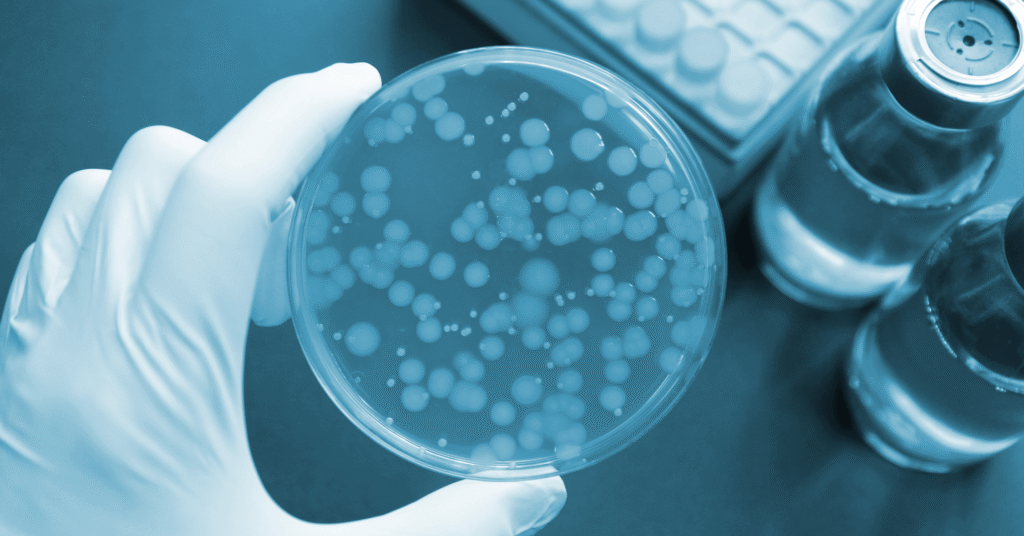
Antibiotic resistance has become one of the most pressing challenges facing global public health. The UN estimates that by 2050, antibiotic resistance will cause 10 million deaths each year. 

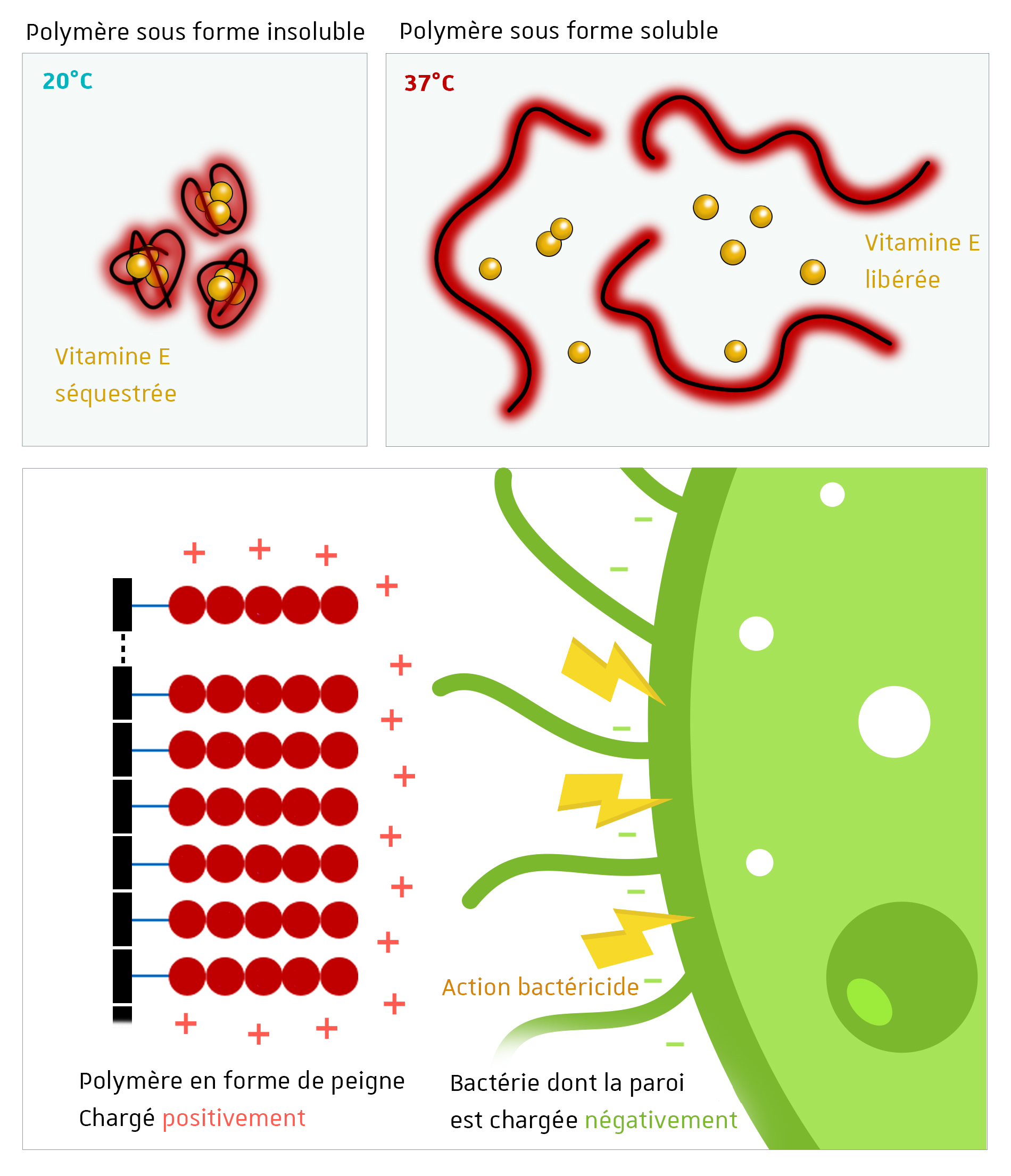
In response to this challenge, the “Polyelectrolytes, Complexes, and Materials” (PECMAT) team at the Charles Sadron Institute in Strasbourg is developing new antibacterial molecules with surprising properties. Dr. Fouzia Boulmedais explains the uniqueness of their discovery: “We have developed a comb-shaped polymer containing positively charged compounds as an alternative to conventional antibiotics. These positive charges interact with and disrupt the negatively charged components of the bacterial membrane. While synthesizing this molecule, we also observed an unexpected property: this polymer is insoluble in water at room temperature, resulting in a cloudy solution; however, when we held our test tubes long enough for the heat from our fingers to warm the solution, we were surprised to find that it became soluble! ” This characteristic is by no means trivial. This change in conformation allows other therapeutic molecules to be trapped within the polymer at room temperature; then, once at body temperature, the polymer unfolds, releasing its contents.

Dr. Delphine Chan-Seng, the chemist in charge of the project, explains the benefit of incorporating a second compound: “The idea is to encapsulate vitamin E within our polymer. This vitamin has antioxidant and anti-inflammatory properties. Combined with the polymer’s antibacterial action, this dual effect kills two birds with one stone: it eliminates bacteria and reduces acute inflammation in infected wounds.” 

This new “dual-purpose” antibiotic could be administered orally, but also in the form of a wound dressing that promotes healing by releasing a natural healing agent upon contact with the wound. This multifunctional polymer could also be used to coat materials intended for implantation in the body, such as dental implants and catheters, where the risk of infection is higher. “Toxicity tests on human cells are underway, and the initial results are very encouraging: the polymer does not affect our cells at the concentrations required for it to function, ” explains Fouzia Boulmedais.

The ultimate goal is to make this new drug available to patients. The researcher reminds us that there is a long road from a bold idea to market launch: “It’s a project that seems promising today, but it was initially very exploratory. We’re fortunate to have the Jean-Marie Lehn Foundation here in Strasbourg, which funds this type of high-risk project. That initial funding had a significant leverage effect: we were able to hire an experienced postdoctoral researcher who developed the initial proof of concept needed to convince other funding agencies, such as the ANR (National Research Agency) in March 2023.” Today, the laboratory has filed a patent and, in 2023, secured pre-commercialization funding from the CNRS Innovation commercialization service. These funds will help accelerate polymer production through the purchase of an automated synthesizer.

Before beginning the first animal model tests, the team is still fine-tuning their molecule. “We are seeking to improve the polymerization steps with a view to achieving the standardized production essential for industrial synthesis. We are testing alternative conformations to the comb structure and are also exploring the possibility of encapsulating other types of molecules within the polymer,” adds Delphine Chan-Seng. “Beyond its antibacterial properties, this polymer’s ability to release a molecule on demand in response to a stimulus (in this case, temperature) makes it a promising tool for delivering RNA or DNA and for developing therapies for genetic diseases.”

This polymer, developed in Strasbourg, offers hope to patients with infections caused by drug-resistant bacteria, but it also serves as a new tool for treating other conditions that require the controlled release of a therapeutic agent.

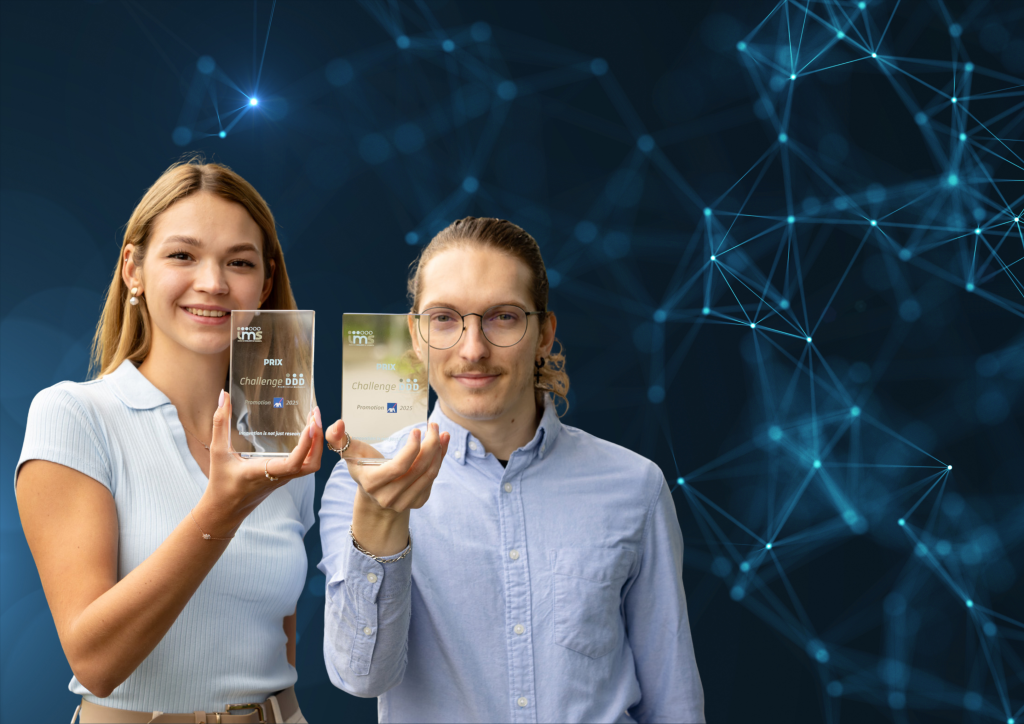
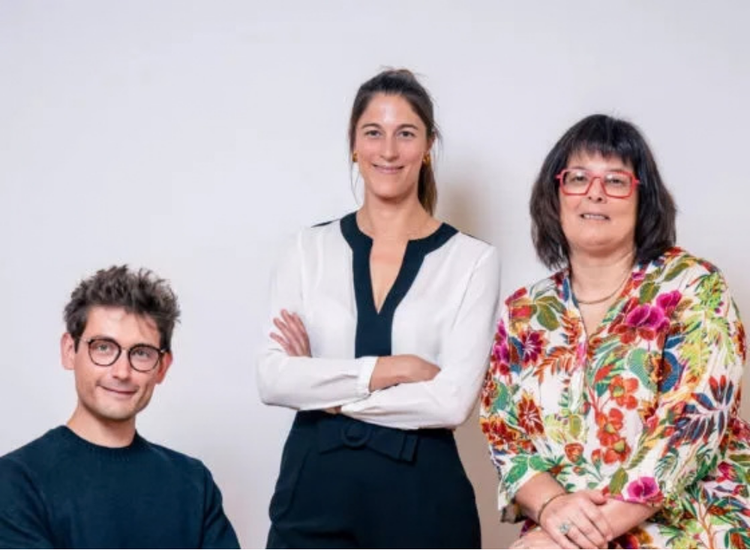
The team led by Fouzia Boulmedais (CNRS Research Director) and Delphine Chan-Seng (CNRS Research Fellow) at the “Polyelectrolytes, Complexes, and Materials” (PECMAT) laboratory at the Charles Sadron Institute in Strasbourg.

Donation DONATIONS MAKE A DONATION